Two Days. One Mission. Transforming Precision Cancer Care.
Seattle, WA
January 23-24, 2026
January 23-24, 2026
Advancing the Diagnostic-to-Treatment Continuum in Cancer Care – Seattle
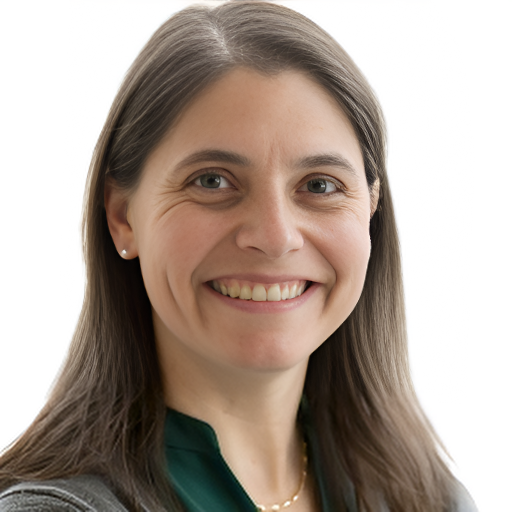
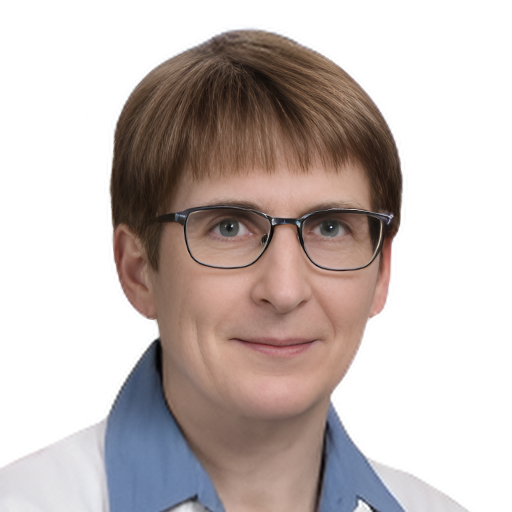
Seattle continues to stand at the forefront of cancer innovation—uniting leading experts in pathology and oncology to advance biomarker-driven precision medicine. Chaired by Jerald Radich, MD (Director, Molecular Oncology Lab) and Cecilia Yeung, MD (Medical Director, Clinical Testing & Molecular Oncology Laboratories) from Fred Hutchinson Cancer Center, this two-day meeting bridges diagnostic discovery and therapeutic implementation, exploring how cutting-edge technologies and translational science are improving outcomes across both solid tumors and hematologic malignancies.
Participants will gain practical insights into biomarker testing, AI-driven pathology, molecular profiling, and therapy selection—through a program designed to foster true collaboration between laboratory medicine and clinical care teams.
Program Overview
Advancing the Diagnostic-to-Treatment Continuum in Cancer Care is a free, accredited meeting (9.5 CE/CME & MOC) designed to connect state-of-the-art diagnostics with real-world therapeutic decisions—bridging the expertise of pathologists, oncologists, and translational researchers to shape the next era of precision cancer care.
Diagnostic excellence → treatment impact
Explore how innovations in biomarker testing, AI-enhanced image analysis, and molecular technologies (NGS, IHC, PCR, liquid biopsy) directly inform patient management.
Biomarker deep dives
Gain practical updates on HER2-low, MET (c-MET), BRAF, Trop-2, FOLR1, FGFR2b, and other key biomarkers—linking analytical precision with therapeutic relevance across tumor types.
Therapy guided by diagnostics
Examine biomarker-driven treatment strategies across solid tumors and hematologic malignancies, including ctDNA for monitoring, minimal residual disease assessment, and early detection.
Team-based workflows
Strengthen integration between pathology laboratories and oncology clinics to accelerate decision-making and improve patient outcomes.
Who Should Attend
Pathologists, oncologists, molecular scientists, laboratory directors, translational researchers, pharmacists, APPs, and nurse navigators.
Why Join Us in Seattle
FREE registration and CME credits (9.5 CE/CME & MOC)
Expert-led presentations, interactive sessions, and case-based discussions that translate innovation into practice
Practical strategies you can apply immediately in both pathology and oncology
Opportunities to engage with a broad network of experts spanning diagnostics, therapeutics, and translational research
Connection with clinicians, researchers, and healthcare leaders driving the future of cancer care
Seattle is a hub for life sciences and clinical innovation—join us for two transformative days of education, collaboration, and discovery.
Agenda
| January 23, 2026 | |
|---|---|
| 10:25 AM | Coffee/Exhibits/Registration |
| 11:25 AM | Welcome and Introductions Jerald Radich, MD & Cecilia Yeung, MD, Fred Hutch Cancer Center |
| 11:30 AM | The Ki-67 Cell Proliferation Biomarker: Ready for Prime Time? Allen Gown, MD, PhenoPath Laboratories |
| 12:00 PM | Breast Cancer: Biomarkers & Methodologies Sylvia Jang, MD, University of Washington |
| 12:30 PM | Breast Cancer Lynn Symonds, MD, Fred Hutch Cancer Center |
| 1:00 PM | Exhibits/Lunch |
| 1:30 PM | Non-CME Session |
| 1:50 PM | Exhibits/Networking |
| 2:20 PM | Lung Cancer: Biomarkers & Methodologies Anshu Bandalish, MBBS, MD, University of Washington |
| 2:50 PM | NSCLC |
| 3:20 PM | Hematopathology Xueyan Chen, MD, PhD, Fred Hutch Cancer Center |
| 3:50 PM | Acute Myeloid Leukemia Mary-Elizabeth Percival, MD, MS, Fred Hutch Cancer Center |
| 4:20 PM | Acute Lymphoblastic Leukemia Ryan Cassaday, MD, Fred Hutch Cancer Center |
| 4:50 PM | Exhibits/Networking |
| 5:15 PM | Colorectal Cancer Kristina A. Matkowskyj, MD, PhD, Mayo Clinic, Rochester, MN |
| 5:45 PM | Pancreatic Cancer Jonathan Brody, PhD, OHSU |
| 6:15 PM | Hematology – Panel Discussion |
| 6:45 PM | Networking Reception |
- Describe the clinical relevance of key biomarkers and diagnostic tools, including proliferation markers and molecular assays, in improving cancer diagnosis, prognosis, and treatment selection.
- Differentiate the roles of pathology and oncology in applying biomarker-driven approaches across multiple tumor types to enhance coordinated, patient-centered care.
- Discuss recent advances in precision medicine and how emerging research may influence future diagnostic and therapeutic strategies.
How to Claim Your Certificate
1. Go to kc.cmecertificateonline.com
2. Click on the 2026 Seattle – Advancing the Diagnostic-to-Treatment Continuum in Cancer Care link.
3. Evaluate the meeting.
4. Print, download, or save your certificate for your records.
5. If you lose your certificate, or need help, go to help.cmecertificateonline.com
| January 24, 2026 | |
|---|---|
| 8:30 AM | Coffee/Exhibits/Registration |
| 8:55 AM | Welcome and Introductions |
| 9:00 AM | A Year of MyeloMATCH Jerald Radich, MD, Fred Hutch Cancer Center |
| 9:45 AM | Prostate Cancer: Biomarkers & Methodologies Maria Tretiakova, MD, PhD, FCAP , University of Washington |
| 10:15 AM | Exhibits/Morning Break |
| 11:00 AM | Myelodysplasia Anna Halpern, MD, Fred Hutch Cancer Center |
| 11:30 AM | Myeloproliferative Neoplasms Vivian Oehler, MD & Rachel Salit, MD, Fred Hutch Cancer Center |
| 12:15 PM | Current Best Practices in Biomarker Testing for MDS and MPN Cecilia Yeung, MD, Fred Hutch Cancer Institute |
| 12:45 PM | Exhibits/Lunch |
| 1:15 PM | Non-CME Session |
| 2:00 PM | Exhibits/Networking |
| 2:30 PM | Lymphomas/Myeloma: Biomarkers & Methodologies Naresh N. Kikkeri, MBBS, DCP, MD, FRCPath, Fred Hutch Cancer Center |
| 3:00 PM | Chronic Lymphocytic Leukemia Jennifer J. Huang, MD, Fred Hutch Cancer Center |
| 3:30 PM | Myeloma Andrew J. Portugeuse, MD, Fred Hutch Cancer Center |
| 4:00 PM | Closing Comments |
Speakers



CHAIR
Jonathan Brody, PhD
Professor, Department of Surgery
Endowed Chair
Oregon Health & Science University
Jonathan Brody, PhD
Professor, Department of Surgery
Endowed Chair
Oregon Health & Science University
Research focus: Dr. Brody has dedicated his career to the understanding of the molecular underpinnings of pancreatic tumorigenesis. He has published >170peer reviewed publications, over 100 related specifically to pancreatic cancer. Indeed, these articles cover a diverse range of cancer related topics from patient outcomes to the development of assays to improving therapeutics to reviews on personalized medicine and perspectives on training. Included in this list of publications are key papers listing the bench-bedside work related to personalized therapy (primarily focused on PDAC tumors with DNA repair defects) and work on an RNA binding protein (HuR) that is relevant to acute therapeutic resistance mechanisms. Of note, recently the pre-clinical work from his laboratory on pyrvinuim pomoate was published and set the framework for an initiated clinical trial (NCT05055323). In fact, Dr. Brody’s laboratory has also provided part of the pre-clinical work that supported a recently completed clinical trial involving PARP inhibitors (PMID: 32669374), a focus of his current work. Key studies in the Brody lab discovered that HuR regulated WEE1, IDH1, and PARG. Additionally, his lab has published on drug-target relationships in PDAC cells including many druggable targets directly or indirectly evaluated now for cancer: IDH1, WEE1, PARG, TOP1, thymidylate synthase, CD4/6, HuR, and DNA repair genes (e.g., Fanconi Anemia genes and BRCA2). Early in his career he received a Pancreatic Career Development Award (PanCAN) which initiated his line of investigation into the RNA binding protein HuR which helped to identify and validate PDAC targets, PARG, IDH1 and WEE1, both explored in his lab now. He has now recently been named to the prestigious Scientific Medical Advisory Board for the internationally recognized PanCAN and the council for the PCARP Programmatic Panel for the Department of Defense. To date, the Brody lab is the primary lab working on identifying new targets and understanding therapeutic resistance in PDAC. In relation to mentoring, his recently graduated post-doc (Aditi Jain) and his surgeon-scientist mentee at OHSU (Robert Eil) received PanCAN Career Development Awards and the OHSU Faculty Excellence and Innovation Awards 2025, underscoring Dr. Brody’s commitment to mentorship. Of note, he mentoring and leading the charge with Dr. Clay Kills First to addressing the disparities in Oregon in relation to PDAC care (recently funded by the Kuni Foundation and the DoD).Dr. Brody currently holds NIH and DoD funding to study: 1) metabolic vulnerabilities in PDAC (setting the stage for an initiated clinical trial targeting IDH1 with a surgeon-scientist); 2) a 3D/4D progression model of pancreatic tumorigenesis related to BRCA1/2 germline mutations; 3) disparities in Oregon in the Native American communities as it relates to pancreatic cancer.
Internal leadership at OHSU: Dr. Brody is the Deputy Director for the BCCPC and Vice Chair of Research for the Dept. of Surgery. He also brought to OHSU and co-directs the OHSU-STEMM-Prep, Distance Learning program and serves on many leadership and mentoring committees.
External leadership: Dr. Brody served on the DOD Council for the Peer Reviewed Cancer Research Program for many years and was elected as previous Chair. He has now recently been named to the SMAB for PanCAN and the council for the PCARP Programmatic Panel. Additionally, Dr. Brody was a permanent member and Chair of the CPSS NIH study section and was a recent Chair of the Tumor Biology and Genomics and Professor Study Sections (American Cancer Society); and now a program (P)- grant NIH study section. He served as the chair of the PanCAN career development award study section. He has served on numerous panels (NIH, DOD, American Cancer Society related)and is also the acting co-Editor-in-Chief of Cancer, Biology and Therapy (Taylor, Francis) and Molecular Biology Reports (Springer). He was asked to be a panelist on the education session at the Annual AACR meeting (2022): “The Importance of Surgeon Engagement for Translational Cancer Research.”
Jonathan Brody, Ph.D. Current highlights, and leadership roles:
- Professor in the Department of Surgery and Endowed Chair at OHSU, focusing on pancreatic cancer.
- Vice chair of research, Dept. of Surgery, OHSU
- Deputy Director of the Brenden-Colson Center for Pancreatic Care.
- Co-leader of the Healthy Oregon Project and a member of various research groups, including the Knight Cancer Institute.
- Completed chair of a NIH study section, ad hoc reviewer; Previous chair and council member of a Dept. of Defense Cancer Program, current member of the pancreatic cancer DoD program
- Endowed Gerlinger Surgical Chair


Nilo Azad, MD
Professor
Oncology
Sidney Kimmel Comprehensive Cancer Center
Nilo Azad, MD
Professor
Oncology
Sidney Kimmel Comprehensive Cancer Center
Dr. Azad is a Professor of Oncology at the Sidney Kimmel Comprehensive Cancer Center (SKCCC). Dr. Azad is the PI of numerous early phase clinical trials in solid tumors and gastrointestinal cancers. Dr. Azad is a clinically active medical oncologist and is the Associate Director of Clinical Research at the SKCCC. She has been a member of the NCI Colon Cancer Task Force, the National Cancer Advisory Board, and the Executive Board of The Cholangiocarcinoma Foundation, serving as Co-chair of the Scientific Medical Advisory Board of the latter.
Dr. Azad’s work is dedicated to translational research in drug development that will form the foundation of future clinical trials. Dr. Azad is currently investigating drugs that work with immunotherapy and vaccine-based approaches. These preclinical studies are designed to move directly into early phase clinical trials as the quintessential example of bench-to-bedside medicine.


Eric Christenson, MD
Medical Oncologist
Johns Hopkins Sidney Kimmel Cancer Center
Eric Christenson, MD
Medical Oncologist
Johns Hopkins Sidney Kimmel Cancer Center
Assistant Professor
Oncology
Johns Hopkins University School of Medicine
Dr. Eric Christenson is a medical oncologist at the Johns Hopkins Sidney Kimmel Cancer Center and an Assistant Professor of Oncology at the Johns Hopkins University School of Medicine. He specializes in the treatment of gastrointestinal malignancies, with a particular focus on pancreatic and other hepatobiliary cancers.
Dr. Christenson’s clinical and research efforts are centered on advancing precision oncology through biomarker-driven treatment strategies and the development of innovative clinical trials. He is actively involved in early-phase and translational research aimed at improving outcomes for patients with aggressive gastrointestinal cancers, including the integration of novel targeted therapies and immunotherapeutic approaches.
He has contributed to multiple clinical trials and has authored peer-reviewed publications focused on gastrointestinal oncology and emerging therapeutic strategies. Dr. Christenson is committed to multidisciplinary care, collaborating closely with pathology, surgery, and radiology teams to deliver personalized, evidence-based treatment.
Through his work, Dr. Christenson is dedicated to accelerating the translation of scientific discovery into meaningful clinical advances for patients with gastrointestinal cancers.


Valerie Lee, MD
Medical Oncologist
Johns Hopkins Sidney Kimmel Cancer Center
Valerie Lee, MD
Medical Oncologist
Johns Hopkins Sidney Kimmel Cancer Center
Assistant Professor
Oncology
Johns Hopkins University School of Medicine
Dr. Valerie Lee is a medical oncologist at the Johns Hopkins Sidney Kimmel Cancer Center at Sibley Memorial Hospital and an Assistant Professor of Oncology at the Johns Hopkins University School of Medicine. She specializes in the management of gastrointestinal malignancies, including gastric, colorectal, and pancreatobiliary cancers.
Dr. Lee is actively involved in advancing clinical care through innovative research and early-phase clinical trials. Her work focuses on developing novel therapeutic strategies, including the integration of immunotherapy with traditional chemotherapy approaches, with the goal of improving survival and quality of life for patients with GI cancers. She has served as an investigator on multiple early-phase studies and has published her research in peer-reviewed journals.
Dr. Lee earned her medical degree from Columbia University College of Physicians and Surgeons. She completed her residency in internal medicine at NewYork-Presbyterian Hospital, followed by a fellowship in medical oncology at the Johns Hopkins University School of Medicine. She is a member of the American Society of Clinical Oncology.
Through her clinical and research efforts, Dr. Lee is dedicated to advancing precision oncology and expanding access to cutting-edge therapies for patients with gastrointestinal cancers.


Sandra Misale, PhD
Assistant Professor
Oncology
Johns Hopkins University School of Medicine
Sandra Misale, PhD
Assistant Professor
Oncology
Johns Hopkins University School of Medicine
Sandra Misale is a globally recognized leader in molecularly targeted therapies. Since July 2023, she has held the position of Assistant Professor in the Oncology department at Johns Hopkins University School of Medicine. In this role, she is establishing a translational medicine laboratory with a primary focus on unraveling mechanisms of resistance to molecularly targeted therapies against tumors. This endeavor involves seamlessly integrating her foundational expertise in basic biology with ongoing collaboration with clinical oncologists.
Dr. Misale's primary research thrust is centered around the utilization and generation of preclinical models that can be concurrently examined with clinical trials. The objective is to predict the dynamics of response and resistance to anti-cancer therapies. Her investigations hinge on the amalgamation of genetics, pharmacology, and fundamental cell biology processes.
Dr. Misale has made substantial contributions to the understanding of resistance to EGFR and NTRK inhibition in colorectal cancer (Misale et al., Nature 2012; Russo, Misale et al., Cancer Discovery 2016). Additionally, she has played a pivotal role in optimizing antibody-drug conjugates against non-small cell lung cancer (Li, Michelini, Misale et al., Cancer Discovery 2020). Dr. Misale's recent focus has revolved around characterizing response and resistance to KRAS G12C inhibitors in non-small cell lung cancer (NSCLC) and colorectal cancer (CRC) (Misale et al., Clinical Cancer Research 2019; Amodio et al., Cancer Discovery 2020). Notably, Dr. Misale and her team recently reported the first characterization of acquired resistance to KRAS inhibition in colorectal cancer, a milestone achievement in this tumor setting (Yaeger et al., Cancer Discovery 2023). More recently, Dr. Misale and her team reported the characterization of adaptive response to pan RAS inhibition in multiple malignancies highlighting fundamental differences between RAS G12X and Q61X mutations (Marasco et al., Cancer Discovery 2025). Moreover, Dr. Misale and her team focus on understanding signaling pathway adaptation to NF1 loss of function alterations in melanoma, with a particular attention to the development of tailored therapeutics against this specific melanoma patients subgroup (Marasco et al., Cell Reports Medicine 2024).
Dr. Misale's is dedicated to expanding and enhancing the use of molecularly targeted agents across various malignancies. The overarching goal is to comprehend the molecular-level effects of this innovative class of drugs on tumors.


Haeseong Park, MD, MPH
Director, Early Phase Trials, Gastrointestinal Cancer Center
Dana Farber Cancer Institute
Haeseong Park, MD
Director, Early Phase Trials, Gastrointestinal Cancer Center
Dana Farber Cancer Institute
Associate Professor, Medicine
Harvard Medical School
Dr. Park is the Director of Early Phase Trials at Gastrointestinal Cancer Center at Dana Farber Cancer Institute and Associate Professor of Medicine at Harvard Medical School. Her clinical focus is in gastric and esophageal cancers. Dr. Park aims to provide patients suffering from advanced cancers with novel, effective therapeutic options that will extend survival and improve quality of life. Her research focus is on developing molecularly informed, rational early phase clinical trials for GI malignancy. She is actively involved in developing, enrolling for, and analyzing several phase I/II clinical trials; while leading an NCI-supported randomized phase III trial to challenge the standard chemotherapy backbone in gastroesophageal cancer.


Matthew Strickland, MD
Medical Oncologist
Massachusetts General Hospital Brigham Cancer Institute
Matthew Strickland, MD
Medical Oncologist
Massachusetts General Hospital Brigham Cancer Institute
Instructor in Medicine
Harvard Medical School
Co-Clinical Director, Tucker Gosnell Center for Gastrointestinal Cancers
Director, Translational Research
MGH Center for Space Medicine Research
Dr. Strickland is a medical oncologist at Massachusetts General Brigham Cancer Institute and an Instructor in Medicine at Harvard Medical School. He also serves as co-clinical Director of the Tucker Gosnell Center for Gastrointestinal Cancers and Director of Translational Research at the MGH Center for Space Medicine Research. He completed his internal medicine training at Boston Medical Center followed by Hematology and Oncology fellowship training at the Dana Farber Cancer Institute, Massachusetts General Hospital and Brigham and Women’s hospital. He is board certified in Internal Medicine and Medical Oncology and belongs to several oncology research organizations including American Society of Clinical Oncology (ASCO) and American Association of Cancer Research (AACR). His work has been published in multiple journals including Cancer Discovery, Nature Communications and Clinical Cancer Research.
His research focus includes developing clinical trials and translational projects to discover better therapies and improve outcomes for patients with GI cancers. Originally from Alberta, Canada, he is an avid ice hockey fan, enjoys flying as a private pilot and diving as a certified SCUBA diver.


Lei Zheng, MD, PhD
Executive Director
Mays Cancer Center
UT Health San Antonio MD Anderson Cancer Center
Lei Zheng, MD, PhD
Executive Director
Mays Cancer Center
UT Health San Antonio MD Anderson Cancer Center
Vice President, Oncology
University of Texas Health San Antonio
Mays Family Foundation Distinguished University Presidential Chair of Oncology
Professor with Tenure, Department of Medicine
Joe R. and Teresa Lozano Long School of Medicine (LSOM)
Dr. Lei Zheng is Executive Director of the Mays Cancer Center, home to the UT Health San Antonio M.D. Anderson Cancer Center and the Vice President for Oncology for the University of Texas Health San Antonio, the Mays Family Foundation Distinguished University Presidential Chair of Oncology and Professor with Tenure in the Department of Medicine in the Joe R. and Teresa Lozano Long School of Medicine (LSOM).
In the last 15 years, Dr. Zheng has been Assistant/Associate/Full Professor of Oncology and Surgery at the Johns Hopkins University School of Medicine. He served as Associate Cancer Center Director for Precision Medicine and Assistant Cancer Center Director for Translational Research and overseed the precision medicine research and practice in cancer diseases for the Cancer Center. He was also Director for the Multidisciplinary Gastrointestinal Cancer Laboratories Program and Director of the Pancreatic Cancer Precision Medicine Center of Excellence. Dr. Zheng’s clinical work is focused on multidisciplinary management for pancreatic cancer, bile duct cancer, colorectal cancer liver metastases, and gastric cancer. Dr. Zheng’s primary laboratory research focus is on the identification of new targets and strategy for pancreatic cancer immunotherapies by dissecting tumor microenvironment of pancreatic cancer.


CHAIR
Jerald Radich, MD
Director, Molecular Oncology Lab
Fred Hutch Cancer Research Center
Jerald Radich, MD
Member, Clinical Research Division
Director, Molecular Oncology Lab
Kurt Enslein Endowed Chair
Fred Hutch Cancer Research Center
Professor of Medicine
University of Washington School of Medicine
Dr. Jerald Radich is a Member of the Clinical Research Division, Director of the Molecular Oncology Lab and the Kurt Enslein Endowed Chair at the Fred Hutchinson Cancer Research Center, and Professor of Medicine at the University of Washington School of Medicine. He is Chair of the Leukemia Translational Medicine Committee of the Southwest Oncology Group. He was the inaugural Chair of the National Cancer Institute and National Institute of Health Leukemia Steering Committee, and a past member of the Board of Scientific Counselors of the National Institute of Health Genome Research Institute. He is the past-chair of the CML Committee of the National Comprehensive Cancer Network, a member of the European Leukemia Network CML committees, and is on the Scientific Board of the International CML Foundation and the Max Foundation. He currently leads the Laboratory Committee of the NCI AML Precision Medicine Initiative (“myeloMATCH”) and leads the Foundation of the NIH’s program in measurable residual disease in AML. Dr. Radich’s laboratory research centers on the molecular biology of response, resistance, and progression in adult and chronic leukemia. In addition, the CLIA Molecular Oncology Lab provides the molecular diagnostic support for many institutional, U.S. Intergroup, international, and pharmaceutical trials, including the NCI Precision Medicine Initiative in AML (myeloMATCH). He was awarded the International CML Foundation Award in 2017 and the Washington Global Health Alliance Partnership Award in 2019 for his lab’s work on diagnosing and monitoring CML in the developing world, and the International CML Foundation Janet Rowley Award in 2023 for his work on the biology of CML.


CHAIR
Cecilia Yeung, MD
Medical Director
Clinical Testing Labs
Fred Hutchinson Cancer Institute
Cecilia Yeung, MD
Professor
Translational Science and Therapeutics Division, Fred Hutchinson
Medical Director
Clinical Testing Labs, Fred Hutchinson
Dr. Cecilia Yeung’s research focuses on genomic changes, clonal evolution, and epigenetic control of gene expression in myeloid neoplasms (MDS, MPN and AML) and she has developed research expertise in biomarker and mutation profiling of cancers with cross correlation of clinical and pathology data (including histology, immunohistochemistry, flow cytometry, cytogenetics and clinical molecular testing). Dr. Yeung’s goal is to help all patients around the world get to appropriate treatments faster to enjoy better outcomes and improve survival. Her vision and personal expertise in molecular pathology has led to the pursuit of novel molecular diagnostic platforms and bioinformatics solutions that push the limits for faster, simpler, more accurate, and more cost-effective diagnostic tools.


Anshu Bandhlish, MBBS, MD
Director
Head, Neck and Lung Pathology
University of Washington
Anshu Bandhlish, MBBS, MD
Assistant Professor
Director, Cardiovascular and Pulmonary Pathology Fellowship Program
Director, Head, Neck, and Lung Pathology Service
University of Washington Laboratory Medicine and Pathology
Anshu Bandhlish, MBBS, MD, is board-certified in anatomic and clinical pathology with clinical and research interest in bone, soft tissue and head, neck and pulmonary pathology. Her focus of research is studying primary bone and soft tissue sarcomas and non-small cell lung carcinomas, and to develop biomarkers that can serve as diagnostic, prognostic and predictive markers to guide treatment.


Jonathan Brody, PhD
Vice Chair, Research, Surgery, School of Medicine
Oregon Health and Science University
Jonathan Brody, PhD
Professor, Department of Surgery
Endowed Chair
Oregon Health & Science University
Research focus: Dr. Brody has dedicated his career to the understanding of the molecular underpinnings of pancreatic tumorigenesis. He has published >170peer reviewed publications, over 100 related specifically to pancreatic cancer. Indeed, these articles cover a diverse range of cancer related topics from patient outcomes to the development of assays to improving therapeutics to reviews on personalized medicine and perspectives on training. Included in this list of publications are key papers listing the bench-bedside work related to personalized therapy (primarily focused on PDAC tumors with DNA repair defects) and work on an RNA binding protein (HuR) that is relevant to acute therapeutic resistance mechanisms. Of note, recently the pre-clinical work from his laboratory on pyrvinuim pomoate was published and set the framework for an initiated clinical trial (NCT05055323). In fact, Dr. Brody’s laboratory has also provided part of the pre-clinical work that supported a recently completed clinical trial involving PARP inhibitors (PMID: 32669374), a focus of his current work. Key studies in the Brody lab discovered that HuR regulated WEE1, IDH1, and PARG. Additionally, his lab has published on drug-target relationships in PDAC cells including many druggable targets directly or indirectly evaluated now for cancer: IDH1, WEE1, PARG, TOP1, thymidylate synthase, CD4/6, HuR, and DNA repair genes (e.g., Fanconi Anemia genes and BRCA2). Early in his career he received a Pancreatic Career Development Award (PanCAN) which initiated his line of investigation into the RNA binding protein HuR which helped to identify and validate PDAC targets, PARG, IDH1 and WEE1, both explored in his lab now. He has now recently been named to the prestigious Scientific Medical Advisory Board for the internationally recognized PanCAN and the council for the PCARP Programmatic Panel for the Department of Defense. To date, the Brody lab is the primary lab working on identifying new targets and understanding therapeutic resistance in PDAC. In relation to mentoring, his recently graduated post-doc (Aditi Jain) and his surgeon-scientist mentee at OHSU (Robert Eil) received PanCAN Career Development Awards and the OHSU Faculty Excellence and Innovation Awards 2025, underscoring Dr. Brody’s commitment to mentorship. Of note, he mentoring and leading the charge with Dr. Clay Kills First to addressing the disparities in Oregon in relation to PDAC care (recently funded by the Kuni Foundation and the DoD).Dr. Brody currently holds NIH and DoD funding to study: 1) metabolic vulnerabilities in PDAC (setting the stage for an initiated clinical trial targeting IDH1 with a surgeon-scientist); 2) a 3D/4D progression model of pancreatic tumorigenesis related to BRCA1/2 germline mutations; 3) disparities in Oregon in the Native American communities as it relates to pancreatic cancer.
Internal leadership at OHSU: Dr. Brody is the Deputy Director for the BCCPC and Vice Chair of Research for the Dept. of Surgery. He also brought to OHSU and co-directs the OHSU-STEMM-Prep, Distance Learning program and serves on many leadership and mentoring committees.
External leadership: Dr. Brody served on the DOD Council for the Peer Reviewed Cancer Research Program for many years and was elected as previous Chair. He has now recently been named to the SMAB for PanCAN and the council for the PCARP Programmatic Panel. Additionally, Dr. Brody was a permanent member and Chair of the CPSS NIH study section and was a recent Chair of the Tumor Biology and Genomics and Professor Study Sections (American Cancer Society); and now a program (P)- grant NIH study section. He served as the chair of the PanCAN career development award study section. He has served on numerous panels (NIH, DOD, American Cancer Society related)and is also the acting co-Editor-in-Chief of Cancer, Biology and Therapy (Taylor, Francis) and Molecular Biology Reports (Springer). He was asked to be a panelist on the education session at the Annual AACR meeting (2022): “The Importance of Surgeon Engagement for Translational Cancer Research.”
Jonathan Brody, Ph.D. Current highlights, and leadership roles:
- Professor in the Department of Surgery and Endowed Chair at OHSU, focusing on pancreatic cancer.
- Vice chair of research, Dept. of Surgery, OHSU
- Deputy Director of the Brenden-Colson Center for Pancreatic Care.
- Co-leader of the Healthy Oregon Project and a member of various research groups, including the Knight Cancer Institute.
- Completed chair of a NIH study section, ad hoc reviewer; Previous chair and council member of a Dept. of Defense Cancer Program, current member of the pancreatic cancer DoD program
- Endowed Gerlinger Surgical Chair


Ryan D. Cassaday, MD
Professor
Clinical Research Division
Fred Hutch Cancer Center
Ryan D. Cassaday, MD
Professor
Division of Hematology and Oncology
University of Washington School of Medicine
Professor
Clinical Research Division
Fred Hutch Cancer Center
Dr. Cassaday completed his undergraduate and medical training at the University of Wisconsin in Madison. In 2010, he started Hematology/Oncology fellowship at the University of Washington and Fred Hutchinson Cancer Research Center. He then joined the faculty at these institutions in 2014, with a focus on acute lymphoblastic leukemia in adults. Since then, he has led several investigator-initiated and industry-sponsored clinical trials of various strategies for this disease, including novel agents and cellular therapies. He has a particular interest in developing novel chemotherapy strategies for high-risk populations, including older adults and those with relapsed/refractory disease. He has served on the National Comprehensive Cancer Network Guidelines Panel for Acute Lymphoblastic Leukemia and the Leukemia Working Group of the Southwest Oncology Group.


Xueyan Chen, MD, PhD
Medical Director, Specialty Laboratories
Fred Hutch Cancer Center
Xueyan Chen, MD, PhD
Associate Professor, Translational Science and Therapeutics Division
Medical Director, Specialty Laboratories
Fred Hutch Cancer Center
Associate Professor, Department of Laboratory Medicine and Pathology
University of Washington
Physician-pathologist Dr. Xueyan Chen is an expert in the diagnosis and classification of blood and lymph cancers using histology, immunohistochemistry, flow cytometry and molecular genetics. Before joining Fred Hutch, she served as UW Medicine’s Director of Developmental Hematopathology, the section that performs clinical trial testing for biopharmaceutical companies and study groups.


Allen Gown, MD
Founder
PhenoPath Laboratories
Allen Gown, MD
Founder
PhenoPath Laboratories
Clinical Professor of Pathology (part time)
The University of British Columbia
Dr. Allen Gown (retired) is a distinguished pathologist-scientist with a 40-year career recognized worldwide for his contributions to the diagnostic and research applications of immunohistochemistry. He earned his M.D. from the Albert Einstein College of Medicine of Yeshiva University in Bronx, NY, in 1975, followed by his Pathology Residency and Fellowship training at the University of Washington in Seattle under the mentorship of Dr. Earl Benditt.
Dr. Gown advanced through the ranks to become a full Professor of Pathology at the University of Washington, where he built an NIH-funded research laboratory and served as an attending pathologist at the University of Washington Medical Center. During this time, he established a diagnostic immunohistochemistry laboratory that also served as a valuable resource for pathologists worldwide.
In 1997, Dr. Gown founded PhenoPath Laboratories, which over the next two decades grew into an internationally renowned diagnostic reference laboratory. Throughout his career, he developed numerous clinically important monoclonal antibodies (including HMB-45 and 34βE12) and authored more than 300 peer-reviewed publications, significantly advancing the field of immunohistochemistry.
He continues to contribute to the discipline as a member of the editorial boards of several major pathology journals and as a Clinical Professor of Pathology at the University of British Columbia in Vancouver, Canada.
Dr. Gown has been married to his wife, Carol, for over 50 years; together they raised three sons and now enjoy three grandsons. Outside of medicine, he is an avid bicyclist and a devoted student of classical guitar.


Anna Halpern, MD
Anna Halpern, MD
Clinical Director, Leukemia/Myeloid Malignancies
Associate Professor, Clinical Research Division
Fred Hutchinson Cancer Center
Associate Professor, Division of Hematology and Oncology
University of Washington
Dr. Anna Halpern is an Associate Professor in the Division of Hematology and Oncology at the University of Washington and in the Clinical Research Division at the Fred Hutchinson Cancer Center. She also serves as the Clinical Director for the Leukemia and Myeloid Malignancy Program. Her clinical focus is on myelodysplastic syndromes, myeloproliferative neoplasms and acute myeloid leukemia. She also does clinical, outcomes and quality research in myeloid malignancies evaluating novel care strategies and therapeutic approaches.
Dr. Halpern completed undergraduate and medical school at Brown University in 2009, residency in Internal Medicine at the University of Chicago in 2013, and fellowship in Hematology-Oncology at the Fred Hutchinson Cancer Research Center/ University of Washington in 2017.


Jennifer J. Huang, MD, PhD


Sylvia J. Jang, MD
Assistant Professor
University of Washington
Sylvia J. Jang, MD
Assistant Professor
University of Washington
Dr. Jang, is an Assistant Professor at the University of Washington Medical Center. She is board certified in anatomic and clinical pathology and has subspecialty training in breast and gynecologic pathology.
Dr. Jang completed her AP/CP residency at Houston Methodist Hospital, followed by a fellowship in gynecologic and breast pathology at Washington University in St. Louis. Her research interests include medical education, multidisciplinary clinicopathologic studies, and quality improvement.


Kristina A. Matkowskyj, MD, PhD
Professor of Laboratory Medicine and Pathology
Mayo Clinic, Rochester, MN
Kristina A. Matkowskyj, MD, PhD
Professor
Laboratory Medicine and Pathology
Mayo Clinic, Rochester, MN
Dr. Matkowskyj attended the University of Illinois at Chicago for her graduate and medical school degrees and then completed her Anatomic Pathology Residency and GI/Liver Pathology Fellowship at Northwestern University/McGaw Medical Center in Chicago. She is a Professor in the Department of Laboratory Medicine and Pathology at Mayo Clinic in Rochester, Minnesota.
She holds professional memberships with several organizations including the United States & Canadian Academy of Pathologists (USCAP), the College of American Pathologists (CAP), and the Rodger C. Haggitt Gastrointestinal Pathology Society (GIPS). Dr Matkowskyj is an editorial board member for Human Pathology and an ad hoc reviewer for several other peer-reviewed scientific journals. She serves on several NIH review panels, and is a member of the CAP Cancer Committee and Gastric HER2 Expert Guideline Panel. She previously served as a member of the NCCN Guideline panels for Esophageal and Gastric Cancers. Dr. Matkowskyj’s research focuses on novel biomarkers and experimental therapeutics in gastrointestinal and pancreaticobiliary malignancies.


Kikkeri N. Naresh, MBBS, DCP, MD, FRCPath
Section Head
Pathology
Fred Hutch Cancer Center
Kikkeri N. Naresh, MBBS, DCP, MD, FRCPath
Professor
Translational Science and Therapeutics Division, Fred Hutch
Section Head, Pathology
Fred Hutch
Member
Immunotherapy Integrated Research Center (IIRC), Fred Hutch
Member
Translational Data Science Integrated Research Center (TDS IRC), Fred Hutch
Dr. Kikkeri Naresh is a pathologist, an expert in the laboratory analysis of tissue samples for diagnosis or other medical purposes. He specializes in hemopathology — the pathology of blood tissues — especially lymphoma and bone marrow pathology. As a translational researcher, Dr. Naresh conducts laboratory studies to improve patient care. His focus is the biology of lymphoma, including its genome, formation and cellular environment (or microenvironment). He also develops new algorithms to improve lymphoma diagnosis and precision medicine. His other research interests include lymphoma-causing viruses, blood stem cell transplantation and plasma cell myeloma.


Vivian Oehler, MD
Associate Professor
Translational Science and Therapeutics Division
Fred Hutch Cancer Center
Vivian Oehler, MD
Associate Professor
Translational Science and Therapeutics Division
Fred Hutch Cancer Center
Dr. Vivian Oehler is a hematologic oncologist who cares for patients with leukemia and other blood disorders. Her research explores the genetic origins and drivers of those diseases. Dr. Oehler also studies why some patients don't respond to the standard treatment for leukemia, a class of targeted cancer drugs called tyrosine kinase inhibitors. These drugs block chemical messengers that help send growth signals in cells. A significant minority of patients develop resistance to the therapy, and Dr. Oehler's lab is trying to identify predictive markers for identifying these patients. Her lab also develops and tests new drugs to treat chronic myeloid leukemia CML and acute myeloid leukemia AML.


Mary-Elizabeth Percival, MD, MS
Clinical Research Director
Leukemia/Myeloid Malignancy Program
Fred Hutch Cancer Institute
Mary-Elizabeth Percival, MD, MS
Associate Professor, Division of Hematology and Oncology, University of Washington
Associate Professor, Clinical Research Division, Fred Hutch Cancer Center
Clinical Research Director, Leukemia/Myeloid Malignancy Program, Fred Hutch Cancer Center
Dr. Mary-Elizabeth Percival is a hematologist with a focus on acute myeloid leukemia (AML). She is an Associate Professor at the University of Washington and at the Fred Hutchinson Cancer Center in Seattle, WA. Dr. Percival earned her AB magna cum laude from Harvard University and her medical degree from Stanford University School of Medicine. She completed internship and residency in internal medicine at University of California, San Francisco, followed by fellowship in hematology/oncology at Stanford. She also received a master’s degree in epidemiology and clinical research from Stanford. She is the principal investigator on multiple clinical trials for AML. Dr. Percival is the current chair of the American Society of Hematology’s Committee on Practice. She is also the co-chair of the ASH Test Materials Development Committee. She is an AML panel member for the National Comprehensive Cancer Network guidelines.


Andrew J. Portuguese, MD
Assistant Professor
Clinical Research Division
Fred Hutch Cancer Center
Andrew J. Portuguese, MD
Assistant Professor
Clinical Research Division
Fred Hutch Cancer Center
Assistant Professor
Division of Hematology and Oncology
University of Washington School of Medicine
Dr. Andrew J. Portuguese is a clinician-scholar specializing in multiple myeloma and transplant/immunotherapy. He is an Assistant Professor in the Clinical Research Division at the Fred Hutchinson Cancer Center and the Division of Hematology and Oncology at the University of Washington. His clinical and research efforts focus on improving outcomes for high-risk myeloma subsets, with a particular interest in treatment-related toxicities and extramedullary disease. Dr. Portuguese leads translational studies investigating the tumor microenvironment and immune-related complications of CAR-T cell therapy and bispecific antibodies. His work has contributed to the development of predictive models for CAR-T toxicity and informed strategies for safer, personalized immunotherapy. He earned his MD from the University of Rochester and completed fellowship training in Hematology/Oncology at the University of Washington.


Rachel B. Salit, MD
Associate Professor
Clinical Research Division
Fred Hutch Cancer Center
Rachel B. Salit, MD
Associate Professor
Clinical Research Division
Fred Hutch Cancer Center
Dr. Rachel Salit is a hematologist and oncologist, and member of the stem cell transplant faculty at Fred Hutch who focuses on improving stem cell transplant outcomes for patients who have myeloproliferative diseases. She is developing new ways to facilitate engraftment and prevent graft-vs.-host disease in patients with myelofibrosis and other myeloproliferative neoplasms. She also has an interest in improving patients’ return-to-work journey following stem cell transplant. To this end, she has developed return-to- work guidance for providers and is piloting a return-to-work support intervention.
Dr. Salit has authored multiple manuscripts in peer-reviewed journals about stem cell transplant, myelofibrosis and late-effects following stem cell transplant. Her goal is to improve outcomes for stem cell transplant patients with myelofibrosis. She has given local, national and international talks and has been featured on podcasts on the topics of stem cell transplant for myelofibrosis and returning-to-work following transplant.


Lynn Symonds, MD
Associate Professor
Clinical Research Division
Fred Hutch
Lynn Symonds, MD
Associate Professor, Clinical Research Division, Fred Hutch
Assistant Professor, Division of Hematology and Oncology, University of Washington School of Medicine
Physician, Fred Hutch


Maria Tretiakova, MD, PhD
President Elect
Genitourinary Pathology Society (GUPS)
Professor
University of Washington
Maria Tretiakova, MD, PhD
President Elect
Genitourinary Pathology Society (GUPS)
Professor
University of Washington Department of Laboratory Medicine and Pathology
THE LOCATION
Grand Hyatt Seattle
721 Pine Street
Seattle, WA 98101
Eliza Anderson Amphitheater