

The Speakers
2025 SPEAKERS


CHAIR
Adrian Lee, PhD
Professor and Director
Institute for Precision Medicine
University of PittsburghAdrian Lee, PhD
Professor and Director
Institute for Precision Medicine
University of PittsburghDr. Adrian Lee is the Pittsburgh Foundation Chair and Director of the Institute for Precision Medicine (IPM), a joint effort by UPMC and the University of Pittsburgh to move biomedical research into personalized well-being and clinical care. He is also Professor of Pharmacology & Chemical Biology and Human Genetics at UPMC Hillman Cancer Center. Dr. Lee received B.Sc. and Ph.D. degrees in England, and came to San Antonio, Texas for his postdoctoral studies. He was subsequently recruited to Baylor College of Medicine and to the University of Pittsburgh in 2010. The goal of Dr. Lee’s research laboratory is to translate basic cell and molecular research findings into the understanding and treatment of breast cancer. Dr Lee has published over 180 peer reviewed research articles. His laboratory is supported by funding from the NIH, Department of Defense, Susan G. Komen for the Cure, Breast Cancer Research Foundation, and other sources.

Leonard J. Appleman, MD, PhD
Leader, Early-Phase Clinical Trials / Developmental Therapeutics
UPMC Hillman Cancer CenterLeonard J. Appleman, MD, PhD
Professor of Medicine, University of Pittsburgh
Medical Oncologist, UPMC Hillman Cancer Center
Leader, Early-Phase Clinical Trials / Developmental Therapeutics (UPMC Hillman Cancer Center)Dr. Leonard J. Appleman is a medical oncologist and Professor of Medicine at the University of Pittsburgh. He serves as a leader in early-phase clinical research at the UPMC Hillman Cancer Center, where he specializes in the development of novel cancer therapies, including immunotherapy and targeted treatment strategies.
Dr. Appleman’s research focuses on translating emerging scientific discoveries into first-in-human and early-phase clinical trials, with an emphasis on biomarker-driven approaches and innovative combination therapies. His work plays a critical role in advancing new treatment options across multiple cancer types, helping bridge the gap between laboratory research and clinical application.
A recognized leader in translational oncology, Dr. Appleman has authored numerous peer-reviewed publications and is committed to advancing precision medicine through multidisciplinary collaboration and clinical innovation.

Steffi Oesterreich, PhD
Co-Leader
Women’s Cancer Research Center
UPMC Hillman Cancer CenterSteffi Oesterreich, PhD
Professor, Department of Pharmacology & Chemical Biology, University of Pittsburgh
Co-Leader, Women’s Cancer Research Center, UPMC Hillman Cancer Center
Senior Scientist, UPMC Hillman Cancer CenterDr. Steffi Oesterreich is a nationally recognized leader in breast cancer research and serves as Professor in the Department of Pharmacology & Chemical Biology at the University of Pittsburgh and Co-Leader of the Women’s Cancer Research Center at UPMC Hillman Cancer Center. She is also a senior scientist whose work has significantly advanced the understanding of hormone receptor–positive breast cancer.
Dr. Oesterreich’s research focuses on the molecular mechanisms driving breast cancer development and progression, with a particular emphasis on estrogen receptor signaling, endocrine resistance, and the role of the tumor microenvironment. Her work has contributed to the identification of novel therapeutic targets and strategies to overcome resistance to standard hormone therapies.
An accomplished investigator, Dr. Oesterreich has authored numerous high-impact publications and has received continuous funding from the National Institutes of Health and other major organizations. She is widely recognized for her leadership in translational cancer research and her commitment to advancing precision oncology through multidisciplinary collaboration.
Sarah Elizabeth Taylor, MD, PhD
Gynecologic Oncologist
University of PittsburghSarah Elizabeth Taylor, MD, PhD
Gynecologic Oncologist, University of Pittsburgh Physicians, Department of Obstetrics and Gynecology
Dr. Sarah Taylor is a gynecologic oncologist with University of Pittsburgh Physicians in the Department of Obstetrics and Gynecology. She is board-certified in obstetrics and gynecology and gynecologic oncology and provides care across UPMC-affiliated hospitals, including UPMC Magee-Womens Hospital.
Dr. Taylor’s research focuses on the design and conduct of clinical trials, with a particular emphasis on novel therapies for gynecologic cancers. She takes a holistic, patient-centered approach, collaborating with translational scientists, epidemiologists, and experts in patient-reported outcomes, advocacy, and quality of life.
Her work is dedicated to advancing personalized treatment strategies, identifying new therapeutic targets, and improving both survival and quality of life for patients with gynecologic malignancies.
Liza C. Villaruz, MD
Associate Professor of Medicine
University of PittsburghLiza C. Villaruz, MD
Associate Professor of Medicine
University of PittsburghMedical Oncologist
UPMC Hillman Cancer CenterDr. Liza C. Villaruz is a thoracic medical oncologist and Associate Professor of Medicine at the University of Pittsburgh. She practices at the UPMC Hillman Cancer Center, where she specializes in the care of patients with lung cancer and other thoracic malignancies.
Dr. Villaruz’s clinical and research interests focus on biomarker-driven treatment strategies, immunotherapy, and targeted therapies in non-small cell lung cancer. She is actively involved in clinical trials evaluating novel therapeutic approaches and combination strategies aimed at improving patient outcomes, particularly in advanced-stage disease.
A respected clinician and educator, Dr. Villaruz has contributed to numerous clinical studies and publications and is committed to advancing precision oncology through multidisciplinary collaboration and evidence-based care.
Howard McLeod, PharmD
CHAIR
Professor & Center Director
Utah Tech UniversityHoward McLeod, PharmD
Senior Vice President
Clinical Affairs
GeneDxProfessor & Center Director
Utah Tech UniversityDr. Howard McLeod is an internationally recognized expert in precision medicine, having made novel contributions at the discovery, translation, implementation, and policy levels. He is currently a Professor of Medicine & Biology at Utah Tech University and is SVP, Clinical Affairs at GeneDx. Dr. McLeod has been recognized as a Fellow of both the American Society of Clinical Oncology and the American College of Clinical Pharmacy. He has also been an active Board Member and/or Founder for over a dozen privately held and publicly traded companies. Howard has published over 600 peer reviewed papers on pharmacogenomics, applied therapeutics, or clinical pharmacology and continues to work to advance innovative healthcare.

Arushi Agarwal, MS
Partner
Health AdvancesArushi Agarwal, MS
Partner
Health AdvancesArushi Agarwal joined the Health Advances team in 2011 and spends the majority of her time working in the Diagnostics and Life Sciences Practice. She has expertise in M&A due diligence and global commercialization strategies for diagnostics. Arushi’s specific areas of focus include companion diagnostics, point-of-care diagnostics and liquid biopsy testing.
Prior to joining Health Advances, Arushi received her Masters in Biomedical Engineering from Columbia University and Bachelors in Biology from the Massachusetts Institute of Technology.
Abhishek Aggarwal, PhD
Group Leader Pathology
Gilead SciencesAbhishek Aggarwal, PhD
Group Leader Pathology
Gilead SciencesAbhishek Aggarwal leads the Tissue based Emerging Technologies function within the Research Pathobiology group at Gilead Sciences in Foster City, California. Before joining Gilead Sciences, Dr. Aggarwal received his Master’s degree from Newcastle University (UK) in Medical Genetics, his PhD from Medical University of Vienna (Austria) in Cancer Biology and completed his postdoctoral training at Stanford University (USA) studying deregulated pathways that have implications in obesity and cancer. He has since worked in the pharmaceutical industry with OncoMed Pharmaceuticals and Pfizer Inc. overseeing tissue-based biomarker strategies. At Gilead Sciences, he leads a group focused on digital pathology using emerging and multiplexing technologies across diverse therapeutic areas spanning virology, inflammation, and oncology
Gabriele Allegri, MBA
Vice President
Global Commercial Precision Medicine
Johnson & Johnson Innovative MedicineGabriele Allegri, MBA
Vice President
Global Commercial Precision Medicine
Johnson & Johnson Innovative MedicineMarried and a father of two, with a degree in Management Engineering obtained across Italy, France, and Germany, Gabriele Allegri began his career in the USA at an American startup focused on Big Data. Two years later, he returned to Europe and started working for the consulting firm Accenture at the Innovation Center in Sophia Antipolis, France, managing various projects for European key accounts across different sectors.
In 2004, he returned to Italy with a scholarship to pursue his MBA (Master in Business Administration) at Bocconi Business School. After an internship at Eli Lilly in 2005, he joined Johnson & Johnson Innovative Medicine. Here, he initially held the role of Product Manager for the newly created HIV Franchise, then assumed the role of Group Marketing Manager in Turkey. Upon returning to Italy, he took on various roles with increasing responsibilities until becoming Business Unit Head for Infectiology, Immunology, and CNS.
In 2016, he was appointed General Manager for Johnson & Johnson Diabetes Care Company, a J&J Group company focused on diabetes management through a mix of medical and pharmaceutical products. Under his leadership, the first integrated teleassistance service branded JnJ was launched in the Italian market.
Returning to Janssen Italy as head of Regional Market Access and the tender office, he was also given responsibility for managing the newly acquired Actelion, a company involved in rare diseases, specifically pulmonary arterial hypertension.
Currently, Gabriele is Vice President of Precision Medicine, based in the United States. He is also a board member of the Personalized Medicine Coalition (PMC) and vice-president of the Precision Cancer Consortium (PCC). The PMC is a coalition dedicated to advancing personalized medicine through the promotion of public policies and patient education. The PCC is a consortium committed to improving the precision of cancer therapies and developing new therapeutic solutions for cancer patients.
Gabriele maintains a strong passion for his work and healthcare, convinced that he can actively contribute – together with his Team and Johnson & Johnson Innovative Medicine – to introducing innovative therapeutic solutions to the Italian market and developing proximity care that raises current standards of care for the benefit of all patients.
Thazin Nwe Aung, PhD
Associate Research Scientist in Pathology
Yale UniversityThazin Nwe Aung, PhD
Associate Research Scientist in Pathology
Yale UniversityDr. Thazin Nwe Aung earned her PhD in Genetics, Genomics, and Evolution from the University of Adelaide, Australia, in 2019. Her doctoral research focused on elucidating cellular signalling, communication, and interactions, focusing on cancer metastases and immune function, using systems biology approaches.
Following her PhD, Dr. Aung joined Yale University, where she is currently an Associate Research Scientist. Her work focuses on identifying prognostic and predictive biomarkers associated with treatment response and resistance in cancer, employing spatial multi-omics, machine learning and computational biology. She is currently funded for two projects investigating triple-negative breast cancer (TNBC) and head and neck cancer, where she leverages the spatial context of tissue architecture to develop biomarkers that predict treatment response and resistance in patients.
Aruna Ayer, PhD
VP, Multiomics, Innovation and Scientific Affairs
BD BiosciencesAruna Ayer, PhD
VP, Multiomics, Innovation and Scientific Affairs
BD BiosciencesAruna Ayer is the Senior Director of R&D for Single Cell Multiomics & Advanced Technologies at BD Biosciences since 2021. She leads a multidisciplinary team responsible for an exciting portfolio of next-generation single-cell solutions including instruments, multiomic assays, reagents and bioinformatic solutions. Her team has launched several differentiated single-cell multiomic solutions on the BD Rhapsody platform in the last 3 years.
Aruna holds a Ph.D. in Cellular and Molecular Biology from the University of Texas, Austin and bachelor’s in biotechnology from Anna University, India. Aruna joined BD Biosciences from Roche Sequencing Solutions, where she held various roles of increasing leadership responsibility for 7 years developing the Roche Nanopore Sequencing Technology. Prior to Roche, Aruna has held roles at Theranos, Stanford University, and Oregon Health and Science University.
Aruna is a named inventor on multiple patents and has published in multiple high-impact scientific journals. She is passionate about scientific innovation, technology and product development and an ardent advocate for diversity and inclusion. Most recently, Aruna was awarded with “Women changing Science” award from the Rosalind Franklin society.
Gerald Batist, MD
Director
Segal Cancer Centre (Chief, Dept. of Oncology)
Jewish General HospitalGerald Batist, MD
Director, Segal Cancer Centre (Chief, Dept. of Oncology), Jewish General Hospital
Director, McGill Centre for Translational Research in Cancer
Professor, Department of Oncology, McGill UniversityA pioneer in the field of personalized medicine, Gerald Batist is a clinician-scientist who has played an essential role in the creation of major research platforms and large-scale collaborative research networks for scientists in Quebec, elsewhere in Canada and internationally. Focused on drug resistance and the development of novel therapeutics tailored to specific cancers in patients, his research has led to major biological insights about cancer and to better outcomes for cancer patients. In recognition of his contributions he is a Member of the Order of Canda and a Chevalier of the Ordre Nationale du Quebec.
Paul James Beresford, PhD
Senior Vice President of Biopharma Partnerships at PathAI
Paul James Beresford, PhD
Senior Vice President of Biopharma Partnerships at PathAIPaul Beresford is SVP of Biopharma Partnerships at PathAI, where he drives biopharma partnering to advance AI-powered pathology in drug discovery, clinical trials, and companion diagnostics. He has over 20 years of leadership experience across diagnostics and precision medicine, with senior roles at Danaher, Agilent Technologies, Biodesix, and Ventana (Roche Diagnostics). Paul completed his postdoctoral training and served as junior faculty at Harvard Medical School after earning his PhD in Immunology from Tufts University.

Jared K. Burks, PhD
Director, Flow Cytometry & Cellular Imaging Core Facility
MD Anderson Cancer Center - HoustonJared K. Burks, PhD
Professor, Hematopoietic Biology & Malignancy
CCSG Associate Director for Shared Resources
Executive Director, Shared Resource Technologies
Director, Flow Cytometry & Cellular Imaging Core Facility
Director, Innovation Nexus
M.D. Anderson Cancer Center - Houston, TXJared K. Burks, Ph.D. is a prominent molecular biologist and technologist at MD Anderson Cancer Center, where he serves as a Professor and Associate Director of Shared Resources for the Cancer Center Support Grant (CCSG). Recognized by the National Cancer Institute (NCI) as a Research Specialist in Spatial Biology (R50 award), he specializes in spatial biology and has introduced several innovative technologies such as live cell imaging, eight-color TSA imaging, mass cytometry (suspension and imaging), and sequential immunofluorescence.
Dr. Burks earned his Ph.D. in Biology from Texas A&M University, focusing on protein folding and trafficking under the National Academy member, Dr. Max D. Summers. He furthered his research at Baylor College of Medicine before joining MD Anderson, where he has directed a core facility for 14 years and founded the Innovation Nexus. The Innovation Nexus focusing on early adoption of novel technologies and has secured $5 million in novel technology partnerships within the last 18 months leading to multiple publications and funded grant awards.
His current work involves developing methods for data integration to enhance understanding of cellular communications in tumors. He regularly serves as a Key Opinion Leader for various technology companies. Most recently he established the Lunaphore Comet sequential immunofluorescence system and introduced STOmics spatial transcriptomics. Through these technologies Dr Burks helped create a pipeline to combine spatial metabolomics, glycomics, pepidomics, proteomics, transcriptomics, and microbiome data in 3D to understand the functional interactions that occur in unique spatial niche. These efforts were driven to support a now funded U01 HTAN grant. Dr. Burks’ expertise in emerging technologies drives collaborative efforts that lead to significant advancements in cancer research and biology.
Benedito Carneiro, MD
Director, Cancer Drug Development
Legorreta Cancer Center, Brown University HealthBenedito Carneiro, MD
Director, Clinical Research
Director, Cancer Drug Development
Associate Director, Division of Hematology/Oncology
Legorreta Cancer Center, Brown University HealthBenedito A Carneiro, MD, MS is a Medical Oncologist and clinical investigator with research interests in early drug development and first-in-human trials exploring novel therapeutics for solid tumors and genitourinary cancers. Dr. Carneiro is the founder and Director of the Cancer Drug Development Program (Phase I), Director of Clinical Research, Associate Director of the Division of Hematology/Oncology, and Co-Leader of the Cancer Therapeutics Program at the Legorreta Cancer Center at Brown University. Dr. Carneiro is the Principal Investigator of numerous first-in-human (phase I) clinical trials evaluating novel treatments for advanced solid tumors. Dr Carneiro's clinical and translational research efforts explore innovative immunotherapy and genomic-driven treatment strategies, target discovery, and biomarkers of treatment response and resistance mechanisms in collaboration with translational scientists. Dr. Carneiro has expertise in the mechanisms of cell death (apoptosis) and its interface with anti-tumor immune response, novel agents targeting tumors with defects in DNA repair mechanisms and mechanisms of therapy-induced senescence.
He has authored over 120 peer-reviewed publications and multiple book chapters. Dr. Carneiro is actively involved in national and international oncology research initiatives. He is a member of the American Society of Clinical Oncology (ASCO), the European Society for Medical Oncology (ESMO), and the American Association for Cancer Research (AACR). He also represents the Legorreta Cancer Center in the WIN Consortium (Worldwide Innovative Networking in Personalized Cancer Medicine).
Tricia Carrigan, PhD
BC Biosolutions
Tricia Carrigan, PhD
Merck Pharmaceuticals
Tricia Carrigan, Ph.D. has 25 years of experience in biomarker and companion diagnostic development, including the regulatory and commercialization of Companion Diagnostics. For the past 4 years, Tricia has been working as a consultant supporting Series A medical device companies with their AI/ML platform development-design control or guiding biopharma teams on their global companion diagnostic programs. Prior to consulting, Tricia lead the Translational Molecular Biomarkers laboratories and Companion Diagnostic teams at Merck Pharmaceuticals.
Prior to Merck, Tricia worked at Bayer AG in Berlin, Germany for 6 years. She started as a Global Diagnostic Program Leader, identifying strategic partners for biomarker/diagnostic development, then became Global Head of Translational Assay Technologies, a new department established to oversee all assay validation/companion diagnostic development efforts supporting entire company portfolio and all therapeutic areas. During her last 2 years at Bayer, Tricia was the Global Head of Companion Diagnostic Regulatory Affairs, where she played a key role in the tumor agnostic approval for VITRAKVI specifically leading the Companion Diagnostics Regulatory Strategy for NTRK gene fusion detection in China, Japan, Brazil, Canada, EU and USA. Prior to joining Bayer, Tricia was a Senior Manager of Assay Development at Ventana Medical Systems. During this time, immunohistochemical companion diagnostic test such as PDL1 (SP263, SP142), ALK, BRAFV600E, and ROS1 were developed by her team.
Tricia graduated from Miami University (Ohio), where she earned a B.A. in Microbiology. She earned a Ph.D. in Biochemistry & Molecular Biology from the Mayo Clinic College of Medicine and was a Post-Doctoral Fellow at Mayo Clinic Arizona, where her research focused on genomic biomarkers for early cancer detection.
Liang Cheng, MD
Professor and Vice Chair
Translational Research
Brown UniversityLiang Cheng, MD
Professor and Vice Chair, Translational Research,
Director of Anatomic and Molecular Pathology, Department of Pathology and Laboratory Medicine
Brown University Medical School, Lifespan Academic Medical CenterDr. Liang Cheng is the Professor and Vice Chair for Translational Research, Director of Anatomic Pathology, and Director of Molecular Pathology in the Department of Pathology and Laboratory Medicine at the Brown University Warren Alpert Medical School, Lifespan Academic Medical Center, and the Legorreta Cancer Center at Brown University, Providence, Rhode Island. At the age of 15, he entered the 6-year medical program in Beijing Medical University | Peking University (both China); followed by pathology residency training at Case Western Reserve University and University Hospitals Cleveland Medical Center (OH, USA) and fellowship training at the Mayo Clinic, Rochester (MN, USA). Dr. Cheng is board certified in Molecular Genetic Pathology, Anatomic and Clinical Pathology by the American Board of Pathology. Dr. Cheng has received numerous prestigious awards including the Stowell-Orbison Award from the United States and Canadian Academy of Pathology (USCAP) and the Koss Medal Award from the International Society of Urological Pathology (ISUP) (“The medal is awarded for a lifetime achievement in the broad field of urological pathology and is the highest award bestowed by the Society”). He also received the Arthur Purdy Stout Prize from the Arthur Purdy Stout Society of Surgical Pathologists in recognition of outstanding contributions to the field of surgical pathology for a surgical pathologist less than 45 years old. Dr.Cheng has published over 1,200 peer-reviewed SCI articles (citations, >62,000; h-index: 123) in high-impact scientific journals, including British Medical Journal (BMJ) (IF 93), Nature Biotechnology (IF 68), Nature Reviews Disease Primers (IF 65), Journal of Clinical Oncology (IF 50), Annals of Oncology (IF 51), JAMA Oncology (IF 32), Science Immunology (IF 32), Molecular Cancer (IF 41), Cell Metabolism (IF 31), Gut (IF 31). Currently, he is an active member of over 30 Editorial Boards, including Mol Cancer (Associate Editor), Am J Surg Pathol, Mod Pathol, Histopathology, Hum Pathol (Senior Associate Editor), Urol Oncol, Expert Rev Precis Med (editor-in-chief), Am J Trans Res (editor-in-chief). In 2021, Dr.Cheng was ranked No. 1 among the World’s Experts in Urogenital Neoplasms. He is the President-Elect of the International Society of Urological Pathology (2023-2025). Dr. Cheng’s research focuses on translational studies of genitourinary cancers and molecular diagnostics of solid tumors (Email: liang_cheng@yahoo.com; https://vivo.brown.edu/display/lcheng26).
Laura Dillon, PhD
Senior Director
Partnership Strategy Lead
External R&D and Innovation
AstraZenecaLaura Dillon, PhD
Senior Director
Partnership Strategy Lead
External R&D and Innovation
AstraZenecaLaura Dillon, PhD, is Senior Director, Partnership Strategy Lead at AstraZeneca, where she leads the Partners of Choice Network, a global network of academic sites designed to enhance and optimize collaborative research in Oncology. In this role, she drives strategic engagement with key external partners, analyzing R&D opportunities and fostering collaborations to address critical scientific questions and advance AstraZeneca's oncology pipeline. Prior to joining AstraZeneca, Laura was Vice President of Translational Medicine & Bioinformatics at Incendia Therapeutics, where she led the company’s translational medicine strategy, including the development and application of novel imaging, omics, and AI technologies. Dr. Dillon has over 20 years of experience in industry, academia, and government, and holds a Ph.D. in Bioinformatics and Genomics from the University of Maryland.

Sundeep Dugar, PhD
Chief Executive Officer
Aayam TherapeuticsSundeep Dugar, PhD
CEO, Aayam Therapeutics
CEO, Myto Therapeutics
CEO, Rarefy Therapeutics
CSO, Pacegenix Inc
Dr. Dugar's pharmaceutical career began at Schering-Plough, where he was the first medicinal chemist hired to launch a program that ultimately led to the discovery and development of Zetia® and Vytorin®. After 12 years at Schering-Plough and Bristol-Myers Squibb, Dr. Dugar joined Scios in 1999 to establish and lead the small molecule drug discovery program, with a focus on kinases. Under his leadership, the initiative quickly grew into a robust drug discovery and development effort, resulting in multiple programs and two clinical candidates within just two years. In 2002, Scios was acquired by Johnson & Johnson for $2.4 billion, a significant increase from its market cap of around $110 million in 1999.
From 2002 to 2005, Dr. Dugar served as Vice President of Chemistry at Johnson & Johnson’s Fremont, CA facility. In this role, he was responsible for medicinal chemistry at Scios/J&J and for driving strategic process chemistry efforts at CILAG in Schaffhausen. He also played a key role in the due diligence process that led to Johnson & Johnson's in-licensing of the blockbuster drug Xarelto from Bayer.
Dr. Dugar's experience in drug discovery and development spans a broad range of therapeutic areas, including oncology, CNS, cardiovascular, inflammation, pain, neurodegenerative, and infectious diseases, across both major pharmaceutical companies and biotech firms.
In late 2005, Dr. Dugar founded Advantium Pharma, a full-service CRO based in Pune, India. Within 18 months, he successfully exited through an equity sale to Sequoia Capital, achieving a 7x return in two years. In 2008, he founded Sphaera Pharma in Singapore, with the goal of creating a new and unique model for drug discovery and development. Sphaera Pharma raised $14 million in equity financing, and this model has proven highly successful, leading to the discovery and development of multiple platform technologies, spin-offs, and licensing deals. The intellectual property generated at Sphaera Pharma was instrumental in the founding of Epirium Bio, which raised $85 million in December 2019 based on the IP Dr. Dugar developed.
Throughout his career, Dr. Dugar has consistently combined his scientific and business expertise to deliver sustained value to investors and shareholders while advancing therapeutics that benefit patients.

Wafik S. El-Deiry, MD, PhD, FACP
Chair
WIN ConsortiumWafik El-Deiry, MD, PhD, FACP
Chair, WIN ConsortiumDirector, Legorreta Cancer Center Brown University
Director, Joint Program in Cancer Biology, Brown University and Brown University Health
Associate Dean, Oncologic Sciences, Warren Alpert Medical School, Brown University
Attending Physician, Hematology/Oncology, Brown University Health Mencoff Family University Professor of Medical Science, Professor of Pathology and Laboratory Medicine, Brown University
American Cancer Society Research Professor
Wafik El-Deiry, MD, PhD, FACP is an American Cancer Society Professor, Director of the Legorreta Cancer Center at Brown University, Associate Dean for Oncologic Sciences at the Warren Alpert Medical School, and the Mencoff Family University Professor of Medical Science at Brown. A practicing physician-scientist and medical oncologist at Brown University Health, Dr. El-Deiry specializes in colorectal cancer and conducts translational oncology research focusing on cell death, cancer drug resistance, novel therapeutics, and precision oncology.
Dr. El-Deiry is among a select group of scientists worldwide to have discovered a cancer suppressor—the TRAIL receptor DR5—and developed a drug targeting this pathway. He identified ONC201/TIC10 (Dordaviprone), a first-in-class small molecule that activates TRAIL-mediated cancer cell death. He founded Oncoceutics, Inc., the company that licensed the drug, which was later acquired by Chimerix, Inc. in 2021. The drug is currently advancing toward FDA approval in 2025 for the treatment of aggressive brain tumors. Chimerix is submitting a New Drug Application (NDA) in December 2024, based on promising clinical data, including a 28% overall response rate, nearly 60% disease control rate, and a near-tripling of overall survival in H3K27M-mutated diffuse gliomas. This breakthrough represents the first clinically active drug for brain cancer in decades. Additional interim data from the randomized Phase III ACTION study will further inform its approval. ONC201/TIC10 has also shown activity in other cancers, including prostate and neuroendocrine tumors, both as a monotherapy and in combination treatments. Dr. El-Deiry’s lab continues to explore additional therapeutic combinations, including ONC206 (currently in clinical trials for glioblastoma) and ONC212 (preclinical stage).
Dr. El-Deiry has held several distinguished leadership positions. He previously served as Deputy Director for Translational Research and Co-Leader of the Molecular Therapeutics Program at Fox Chase Cancer Center, where he also held the William Wikoff Smith Endowed Chair in Cancer Research. From 2010 to 2014, he was Division Chair and Professor of Medicine, Chief of Hematology-Oncology, and Interim Director of the Penn State Cancer Institute. Before that, he was a tenured Professor of Medicine, Genetics, and Pharmacology at the University of Pennsylvania, Co-Leader of the Radiobiology & Imaging Program at Abramson Cancer Center, and an Investigator at the Howard Hughes Medical Institute.
Dr. El-Deiry earned his MD and PhD degrees from the University of Miami, completed his internal medicine residency at Johns Hopkins Hospital, and pursued a medical oncology fellowship at the Johns Hopkins Oncology Center. His scientific contributions include defining the genomic-binding sequence for the tumor suppressor p53 (the "guardian of the genome") and discovering p21(WAF1), the universal cell cycle inhibitor. His seminal discovery of p21(WAF1/CDKN1A) clarified the role of DNA damage in cell cycle regulation and remains a foundational concept in biology, now taught in high school textbooks. His research on the TRAIL receptor DR5 and ONC201/TIC10 has led to clinically meaningful advances in oncology.
Dr. El-Deiry has received numerous honors and accolades, including:
- Michael Brown Award (University of Pennsylvania, 1998)
- Elizabeth and John Cox Award (Georgetown University, 2005)
- Named one of America’s Top Oncologists (2008, 2009) by Consumers’ Research Council of America
- 2009 International Kuwait Prize for Cancer Research
- Induction into the Johns Hopkins University Society of Scholars (2014)
- Inventor of the Year Award at Brown University (2022, 2023, 2024)
- Elected Senior Member of the National Academy of Inventors (2024)
- Elected Chair of the Worldwide Innovative Network (WIN) Consortium in Personalized Cancer Medicine
A Fellow of the American College of Physicians (2012-), Dr. El-Deiry is also a member of the Interurban Clinical Club (President, 2013-2014), the American Society for Clinical Investigation (since 1999), and the Association of American Physicians (since 2008). He has chaired numerous NIH and NCI study sections, served on the Conquer Cancer Foundation Board (ASCO, 2015-2018), ASCO’s Annual Program Committee (Tumor Biology Track Leader, 2017), and the American Cancer Society Council for Extramural Grants (2015-2018).
With over 500 peer-reviewed publications, six edited books, and an H-index of 132 with more than 108,000 citations, Dr. El-Deiry is one of the most highly cited molecular biologists in the U.S. He has founded four companies and holds 19 issued patents. In 2023, he was ranked #81 among top molecular biology scientists in the U.S. (Research.com) and was named a Top Doctor in Oncology in Pennsylvania and Rhode Island.
Dr. El-Deiry’s enduring contributions to oncology, translational research, and mentorship continue to shape the future of precision medicine and cancer therapeutics.
Jeff Elton, PhD
Vice Chairman and Founding CEO
Concert AIJeff Elton, PhD
Vice Chairman
Founding CEO
ConcertAIJeff Elton, Ph.D., is Vice Chairman and Founding CEO of ConcertAI, a Generative and Agentic AI SaaS solutions company providing oncology research and patient-centric solutions for life sciences innovators and the world’s leading healthcare providers. The company has leading-in-class AI solutions for multi-modal clinical oncology research from translational phase through post approval; AI SaaS for oncology clinical trials; Patient-centric SaaS for specialty pharmacy therapeutics; oncology clinical pathways; and radiological interpretation and Clinical AI. Solutions are deployed within the top 50 biopharma and more than 2000 healthcare providers globally.
Founded in 2018, the company has grown every year and became EBITDA positive in Q4 of 2024. In December of 2023 ConcertAI acquired CancerLinQ, previously part of the American Society of Clinical Oncology, as the largest, multi-EMR clinical network in the U.S. Major strategic partnerships are in place with NVIDIA, Caris Life Sciences, Guardant, NeoGenomics, and PathAI. The company is headquartered in Cambridge, MA and has just over 1,000 employees with more than 30% having advanced clinical or scientific degrees.
Prior to ConcertAI, Jeff was Managing Director, Accenture Strategy/Patient Health; Global Chief Operating Officer and SVP Strategy at Novartis Institutes of BioMedical Research, Inc.; and partner at McKinsey & Company. Jeff is currently Vice Chairman of the Board of the Massachusetts Biotechnology Council. He is the co-author of the widely cited book, Healthcare Disrupted (Wiley, 2016) and has been quoted or the focus of more than 100 articles and podcasts over the last several years. Jeff has a Ph.D. and M.B.A. from The University of Chicago.
Marni Falk, MD
Distinguished Endowed Chair, Department of Pediatrics
Executive Director, Mitochondrial Medicine Frontier Program
CHOPMarni Falk, MD
Distinguished Endowed Chair, Department of Pediatrics
Executive Director, Mitochondrial Medicine Frontier Program
CHOPProfessor, Division of Human Genetics in the Department of Pediatrics
University of Pennsylvania Perelman School of MedicineMarni J. Falk, M.D., is Distinguished Endowed Chair in the Department of Pediatrics and Executive Director of the Mitochondrial Medicine Frontier Program at The Children's Hospital of Philadelphia (CHOP), and Professor in the Division of Human Genetics within the Department of Pediatrics at the University of Pennsylvania (UPENN) Perelman School of Medicine in Philadelphia, Pennsylvania USA. A board-certified Clinical Geneticist, Dr. Falk works to improve precision clinical care, diagnostic approaches, precision therapeutics, and genomic resources for rare disorders, with a focus on mitochondrial disease. She organized and is co-leader of the global Mitochondrial Disease Sequence Data Resource (MSeqDR) consortium, co-leader of the ClinGen Mitochondrial Disease Gene and Variant Expert Curation Panels, organizer of the international mitochondrial zebrafish consortium (MZC), and organizer of the CHOP/UPENN Mitochondria Research Affinity Group (MITO RAG) that has ~300 participants. Dr. Falk is PI of an active translational research laboratory group at CHOP investigating the causes and global metabolic consequences of mitochondrial disease, and targeted therapies, in C. elegans, zebrafish, mouse, and human cell models of genetic-based respiratory chain dysfunction. She also designs and directs multiple clinical research studies and treatment trials in mitochondrial disease patients. In 2023, she co-founded Rarefy Therapeutics LLC, focused on advancing the late-stage development of data-driven, precision therapeutics for rare diseases.
Dr. Falk received her B.S. degree in Biology graduating Summa cum Laude and Phi Beta Kappa, as well as M.D. degree in the Alpha Omega Alpha Medical Honor Society from a combined 7-year program at the George Washington University School of Medicine. She then completed dual specialty training in a 5-year Pediatrics and Clinical Genetics residency program at Case Western Reserve University. Dr. Falk has authored more than 175 peer-reviewed publications, and edited “Mitochondrial Disease Genes Compendium: From Genes to Clinical Manifestations”.
Dr. Falk is a member of the Scientific and Medical Advisory Board of The United Mitochondrial Disease Foundation (UMDF); founding member of the CHOP Center for Mitochondrial and Epigenomic Medicine (CMEM); CHOP-site PI of the North American Mitochondrial Disease Consortium (NAMDC); member of the Mitochondrial Medicine Society (MMS), Society for Pediatric Research (SPR), Society for Inherited Metabolic Disease (SIMD), American Society of Human Genetics (ASHG), and American College of Medical Genetics and Genomics (ACMGG); and elected member of the University of Pennsylvania John Morgan Society (JMS), Interurban Clinical Club (ICC), and American Society of Clinical Investigators (ASCI).
Keith Flaherty, MD, FAACR
Director of Clinical Research
Massachusetts General Cancer Center
Professor of Medicine
Harvard Medical SchoolKeith Flaherty, MD, FAACR
Director of Clinical Research
Massachusetts General Cancer Center
Professor of Medicine
Harvard Medical SchoolPresident-Elect: 2025-2026
Flaherty is director of clinical cancer research and the Richard Saltonstall Endowed Chair in Oncology at Mass General Cancer Center, a founding member of Mass General Brigham. He is also a professor of medicine at Harvard Medical School and an associate member of the Broad Institute of MIT and Harvard.
Flaherty’s career has focused on understanding the molecular and clinical consequences of inhibiting oncogenic pathways in melanoma while establishing therapeutic approaches and constructing rational combinatorial therapies for the treatment of this disease. He has pioneered the development of targeted therapies matched to the genetic characteristics of a patient’s tumor and led early clinical trials testing vemurafenib and other therapeutic agents for the treatment of melanoma. Through his work, Flaherty has translated discoveries about the BRAF V600E somatic mutation in cancer into effective therapies, including the FDA-approved combination targeted therapy regimens for melanoma.
Flaherty has been a member of the AACR since 2001 and was elected as a Fellow of the AACR Academy in 2023. He served with distinction on the AACR’s Board of Directors from 2019 to 2022. Flaherty provides important guidance as a current member of the Fellows of the AACR Academy Nominating Committee (2024-present), the AACR Clinical Trials Advisory Council (2023-present), the AACR Exploratory IND/Phase 0 Clinical Trials Task Force (2021-present), and the AACR Project GENIE External Advisory Board (2015-present). He is a former member of the AACR COVID-19 and Cancer Task Force (2020-2022), the AACR Publications Committee (2014-2017), and the AACR NextGen Grants for Transformative Cancer Research Review Committee (2015).
Flaherty has played a critical role in shaping the AACR Annual Meetings by serving as chair (2023-2024), vice chair (2020-2021), and cochair (2012-2013, 2010) of the Annual Meeting Program Committee. He was a member of the Annual Meeting Clinical Trials Committee (2018-2020, 2016-2018, 2012-2013) and chair of the Clinical Trials and Clinical Pharmacology Section of the Annual Meeting Program Committee (2013). He has also helped to guide other AACR scientific conferences and workshops by serving as a member of the AACR Virtual Conference: COVID-19 and Cancer Program Committee (2020), a faculty member of the AACR Clinical Trial Design Part 1: Clinical Trial Design for Targeted Therapies Workshop (2018), and chair of the AACR Special Conference on Translational Cancer Medicine (2010).
In addition, Flaherty previously served as the editor-in-chief (2016-2025) and senior editor (2010-2016) of the AACR journal Clinical Cancer Research. He has also served as scientific editor for the AACR journal Cancer Discovery (2010-2017).
Flaherty has been honored with numerous awards throughout his career, most notably the OncLive Giants of Cancer Care Award for Melanoma (2020), the Society for Melanoma Research Lifetime Achievement Award (2019), the National Cancer Institute Michaele C. Christian Oncology Development Lectureship and Award (2015), the Mass General Cancer Center Harrison Clinical Research Award (2013), and the Peter Fink Memorial Lectureship (2013).
Flaherty earned his undergraduate degree in neurobiology at Yale University and his medical degree at Johns Hopkins University.

Kimberly Gasuad
Principal Consultant
JK Life Sciences LLCKimberly Gasuad
Principal Consultant
JK Life Sciences LLCKimberly founded JK Life Sciences, advising AI/ML and digital pathology companies on product, business, marketing, and commercial programs from translational research to clinical use. Before that, she worked at Ibex Medical Analytics as the SVP BD & Strategy and at Roche Diagnostics as an International Business Leader, where she spent her time developing global industry expertise, assessing market trends, and establishing key strategic relationships across AI/ML and digital pathology. She draws on her experiences at McKesson and Novartis, where she was passionate about advancing innovation in healthcare and technology. Kimberly received her BSc in Biochemistry and Molecular Biology from the University of California, Santa Cruz, and completed her master’s in business administration at the University of San Francisco. She currently lives in Boston but also resides in California and Hawaii.
Jen Gilburg
Master in Management, Deputy Secretary of Technology and Entrepreneurship, Dept. of Community and Economic Development, Commonwealth of Pennsylvania
Jen Gilburg
Master in Management
Deputy Secretary of Technology and Entrepreneurship
Dept. of Community and Economic Development
Commonwealth of PennsylvaniaJen Gilburg joined the Pennsylvania Department of Community and Economic Development in September 2023 as Deputy Secretary of Technology and Entrepreneurship. She has decades long experience in technology and advanced manufacturing in the private sector. She has been on the forefront of such high growth technologies as data security and artificial intelligence, and has worked in advanced technologies for automotive, medical and robotics industries.

Harsha Gowda, PhD
Senior Principal Scientist
Director, Research & Lab Operations
Signios BioHarsha Gowda, PhD
Senior Principal Scientist
Director, Research & Lab Operations
Signios BioHarsha Gowda is a well-established research scientist in biotechnology, microbiology, and proteomics. His deep knowledge of omics technologies continues to drive impactful research both for Signios Bio and their clients. At Signios Bio, Harsha is a Senior Principal Scientist and the Director of Research & Lab Operations, where he oversees research initiatives and laboratory functions across the DNA, RNA, single-cell, spatial, and sequencing labs. He received his BS in Biochemistry and Microbiology from Government Science College, Hassan, and his Master’s degree in Biotechnology from the University of Mysore. He received his PhD in cancer biology and proteomics from Johns Hopkins University and the Institute for Bioinformatics in Bangalore, India. Prior to joining Signios Bio, he held research scientist positions at Scripps, the Institute for Bioinformatics, and QIMR Berghofer Medical Research Institute.
Matthew Hadfield, DO
Assistant Professor of Medicine
The Warren Alpert School of Medicine Brown UniversityMatthew Hadfield, DO
Assistant Professor of Medicine
The Warren Alpert School of Medicine Brown UniversityMatthew Hadfield is a Medical Oncologist and clinical investigator with research interests in early drug development and first-in-human trials exploring novel therapeutics for solid tumors and cutaneous malignancies. Dr. Hadfield is also the founder and director of the Rhode Island Immunotherapy Toxicity (Ri-ITOX) program of Brown University/Legorreta Cancer Center. Dr. Hadfield is the Principal Investigator of numerous first-in-human (phase I) clinical trials evaluating novel treatments for advanced solid tumors. Dr. Hadfield's clinical and translational work is focused on immunotherapeutics as well as prospective studies evaluating novel targets to treat immunotherapy related adverse events (irAEs.) Dr. Hadfield is a member of the executive board of the Alliance for Support and Prevention of Immunotherapy Related Adverse Events (ASPIRE) as well as a member of the American Society of Clinical Oncology (ASCO) and the European Society of Medical Oncology (ESMO.)

Sabine Hazan, MD
CEO, Ventura Clinical Trials
CEO, ProgenabiomeSabine Hazan, MD
CEO, Ventura Clinical Trials
CEO, Progenabiome
As the first woman accepted into the University of Florida as a Clinical Gastroenterology Fellow, Dr. Sabine Hazan is a pioneer in the medical field. She has published articles in numerous prestigious medical journals, and is the Series Editor on the microbiome for Practical Gastroenterology , a peer review journal that reaches 18,000 gastroenterologists. She is also a speaker for the World Congress of Digestive Disease, MAGI, Microbiome Congress, ILADS, TACA, International Drug Discovery Science and Technology Conference and NIST (National Institute of Standards and Technology). As a specialist in gastroenterology, internal medicine, and hepatology, Dr. Hazan has used her medical expertise in many regards over the last two decades.
Dr. Hazan is the CEO of Ventura Clinical Trials, where she has 20+ years experience leading clinical trials for cutting-edge research on various medical issues and has done over 300 clinical trials for pharmaceutical companies. Since March 2020, she has been at the forefront of COVID-19 research, leading ongoing FDA-approved clinical trials for treatment and prophylaxis ON Hydroxychloroquine, Zpack, VIT C D , Zinc And IVM. She is also the founder & CEO of Progenabiome, a genetic sequencing research laboratory, she leads 35+ studies investigating the role of the gut flora in various diseases.
Through their study exploring the role of the gut flora in COVID-19, Progenabiome became the first lab worldwide to detect SARS-CoV-2 from Patient Fecal Samples by Whole Genome Sequencing and the lab that showed a susceptibility marker for COVID in the microbiome.
Dr Hazan is mastering Familial fecal transplant showing hope for kids with Autism. She created The Malibu Microbiome meeting where physicians who perform fecal transplant can discuss their findings freely.
Eric Heil, MBA
Managing Partner
Medical Excellence CapitalEric Heil, MBA
Managing Partner
Medical Excellence CapitalEric Heil, MBA, is a Managing Partner with Medical Excellence Capital.
Eric is a venture capitalist turned CEO turned venture capitalist again with extensive experience across the healthcare and life sciences industries. Eric joined John Prufeta in 2021 to help launch Medical Excellence Capital, LLC, an early-stage life science venture fund founded by patients for patients. He currently holds board positions at Nobias Therapeutics, GC Therapeutics, and is the cofounder and board chair of ProJenX, an ALS company. Prior to MEC, Eric cofounded and led two venture-backed companies as CEO, including Upward Health (partnered with BCBS Venture Fund) and RightCare (acquired by naviHealth Inc.). Eric cofounded RightCare as an EIR and an investment professional at Domain Associates, LLC, a leading life-science venture capital fund with over $2.5 billion under management and was promoted to Entrepreneur-in-Residence in 2012 when launching RightCare. During his tenure at Domain, Eric also led business development at Corthera (acquired by Novartis) and Celator Pharmaceuticals (acquired by Jazz Pharmaceuticals). He began his career as a consultant with Easton Associates (now Navigant Consulting), a management consultancy dedicated to the medical industry, and an Equity Research Analyst at Bear Stearns covering the Managed Care sector. Eric’s academic background includes a bachelor’s in systems engineering from the University of Pennsylvania and an MBA from Wharton. He currently resides in Bucks County, PA with his family.
Chris Jeffers, PhD
Senior Vice President of Life Sciences at BR BioAdvisory Services
Chris Jeffers, Phd
Senior Vice President of Life Sciences at BR BioAdvisory ServicesChris Jeffers brings over 25 years of experience in the life sciences sector, encompassing a wide range of legal and non-legal executive roles. Chris is a former lawyer, and he works with lawyers at Brown Rudnick; in pursuing business and advisory roles, he chose not to continue his legal practice.
Earlier in his career, Chris spent more than 20 years as a practicing attorney, holding positions as a former partner at both Mintz Levin and Womble Carlyle. In this capacity, he represented diverse companies, from individual inventors to major pharmaceutical firms, providing valuable assistance in addressing challenges encountered throughout the lifecycle of life science companies. His legal practice primarily centered on handling complex transactions within the biotechnology, pharmaceutical and agricultural biotechnology sectors. Additionally, he served as an advisor to the management teams and boards of numerous small and mid-sized biotechnology companies. Chris served as the outside general counsel to Viela Bio (now Amgen), NexImmune, RegenMed (now ProKidney) and numerous other life science companies.
In addition to his former law practice, Chris is the founder and former CEO of Seguro Surgical, Regio Biosciences and Primera Therapeutics. Chris also founded and acted as the managing partner of Hibiscus BioTechnology, The BioForge Group and FirstStage Bioventures, companies dedicated to identifying and developing early-stage technologies. Prior to these roles, Chris served as the general counsel of Alba Therapeutics. Currently, he serves on the board of Regio Biosciences and is chairman of the board at Primera Therapeutics. Previously, Chris was previously on the board of Cellevolve, BioRosa and Mayflower Biotechnology.
Chris earned a Ph.D. in biochemistry from the University of Houston, where he was an NIH pre-doctoral biophysics fellow at Rice University. He later became an NIH postdoctoral fellow at Johns Hopkins University School of Medicine, focusing on the protein structure and function of the cystic fibrosis transmembrane conductance regulator (CFTR). He obtained his law degree from Georgetown University and currently holds adjunct faculty appointments in both the Johns Hopkins Whiting School of Engineering and Johns Hopkins Carey Business School.
Sizun Jiang, PhD
Principal Investigator, Center for Virology & Vaccine Research
Beth Israel Deaconess Medical Center, Harvard Medical SchoolSizun Jiang, PhD
Principal Investigator, Center for Virology & Vaccine Research
Beth Israel Deaconess Medical Center, Harvard Medical SchoolSizun Jiang, PhD, is a principal investigator at the Center for Virology and Vaccine Research at Beth Israel Deaconess Medical Center, and associate professor at Harvard Medical School. Sizun received his PhD from Harvard University, where he studied under Prof. Elliott Kieff to uncover complex host-pathogen chromatin interactions involved in viral-driven lymphomagenesis. During his postdoctoral studies with spatial biology pioneer Prof. Garry Nolan at Stanford University, he focused on developing new spatial technology tools and applications to better interrogate biological systems.
William Kaelin, Jr, MD
2019 Nobel Laureate
Sidney Farber Professor, Harvard Medical School and Dana-Farber Cancer InstituteWilliam G. Kaelin, Jr, MD
2019 Nobel LaureateSidney Farber Professor of Medicine at Harvard Medical School and Dana-Farber Cancer Institute
Senior Physician-Scientist at Brigham and Women's Hospital
Howard Hughes Medical Institute Investigator
William Kaelin is the Sidney Farber Professor of Medicine at Harvard Medical School and Dana-Farber Cancer Institute, Senior Physician-Scientist at Brigham and Women's Hospital and Howard Hughes Medical Institute Investigator. He obtained his undergraduate and M.D. degrees from Duke University and completed his training in Internal Medicine at the Johns Hopkins Hospital, where he served as chief medical resident. He was a clinical fellow in Medical Oncology at the Dana-Farber Cancer Institute and later a postdoctoral fellow in David Livingston’s laboratory, during which time he was a McDonnell Scholar.
A Nobel Laureate, Dr. Kaelin received the 2019 Nobel Prize in Physiology or Medicine. He is a member of the National Academy of Sciences, the American Academy of Arts and Sciences, the National Academy of Medicine, the American Society of Clinical Investigation, and the American College of Physicians. He previously served on the National Cancer Institute Board of Scientific Advisors, the AACR Board of Trustees, and the Institute of Medicine National Cancer Policy Board. He is a recipient of the Paul Marks Prize for cancer research from the Memorial Sloan-Kettering Cancer Center; the Richard and Hinda Rosenthal Prize from the AACR; the Doris Duke Distinguished Clinical Scientist award; the 2010 Canada International Gairdner Award; ASCI’s Stanley J. Korsmeyer Award; the Scientific Grand Prix of the Foundation Lefoulon-Delalande; the Wiley Prize in Biomedical Sciences; the Steven C. Beering Award; the AACR Princess Takamatsu Award; the ASCO Science of Oncology Award; the Helis Award; the Albert Lasker Basic Medical Research Prize; the Massry Prize; the Harriet P. Dustan Award for Science as Related to Medicine from the American College of Physicians.
Dr. Kaelin’s research seeks to understand how, mechanistically, mutations affecting tumor-suppressor genes cause cancer. His laboratory is currently focused on studies of the VHL, RB-1, and p53 tumor suppressor genes. His long-term goal is to lay the foundation for new anticancer therapies based on the biochemical functions of such proteins. His work on the VHL protein helped to motivate the eventual successful clinical testing of VEGF inhibitors for the treatment of kidney cancer. Moreover, this line of investigation led to new insights into how cells sense and respond to changes in oxygen, and thus has implications for diseases beyond cancer, such as anemia, myocardial infarction, and stroke. His group also showed that leukemic transformation by mutant IDH was reversible, setting the stage for the development and approval of mutant IDH inhibitors, and discovered how thalidomide-like drugs kill myeloma cells by degrading two otherwise undruggable transcription factors,
Pashtoon Kasi, MD
Medical Director
GI Oncology
City of HopePashtoon Kasi, MD
Medical Director of GI Oncology, City of Hope Orange County
Endowed Rad Family Chair in Gastrointestinal Oncology
Associate Professor, Department of Medical Oncology & Therapeutics Research
City of HopePashtoon Kasi, M.D., is the Rad Family Chair in Gastrointestinal Oncology, a gastrointestinal cancer specialist considered one of the nation’s leading experts in the genomics of cancer and the development of personalized therapies. He sees GI cancer patients at City of Hope's Orange County Lennar Foundation Cancer Center in Irvine, CA.
Inspired by his physician parents, Dr. Kasi gravitated toward oncology because he was intrigued by novel therapies that made a difference in patient outcomes and the promise he saw in future discoveries.
Dr. Kasi is known for his work on the “NEST” clinical trial which determined that a combination of immunotherapy drugs called botensilimab and balstilimab were effective in markedly killing colorectal cancer when given before surgery (neoadjuvant), thereby allowing the body to fight the tumors “roots up.” This potentially offers new hope for cure for patients with this and other cancers. Additionally, he is highly regarded for his investigation of liquid biopsies, frequently collaborating with international researchers and industries.
Dr. Kasi’s patients on the East Coast ultimately led him to City of Hope®. “Through them, I learned there was a tangible difference in the options City of Hope provided, and that patients were eager to experience this care,” he said.
Prior to City of Hope, Dr. Kasi was director of colon cancer and precision medicine research at Weill Cornell Medicine, where he led investigators studying liquid biopsies and their applications in diagnosing and treating colorectal and other cancers. He was also an associate professor at University of Iowa and an assistant professor at Mayo Clinic.
Dr. Kasi served a surgical internship at University of Texas Health Science Center and joined the International Scholars Program at the University of Pittsburgh for his residency. He also completed fellowships in oncology and hematology at Mayo Clinic and also a postdoctoral masters in clinical and translational research at Mayo.
In 2024, Dr. Kasi received OncoDaily’s Yvonne Award in Challenging the Status Quo, which recognizes individuals who have exhibited remarkable courage and innovation in oncology. At Mayo, he received the Tow Tan Humanism in Medicine Award, as well as the Hematology/Oncology Outstanding Achievement Award during his fellowship.
A parent of two young children, Dr. Kasi tries to find time for patient advocacy. He speaks Pashto and Urdu/Hindi.
Magda Kordon-Kiszala, PhD
CEO and Co-founder of intoDNA Biotechnology
Magda Kordon-Kiszala, PhD
CEO and Co-founder of intoDNA BiotechnologyMagda Kordon-Kiszala, PhD, is the CEO and co-founder of intoDNA biotechnology company pioneering DNA damage and DNA repair analysis. She is a co-inventor on patents for the company's proprietary platform, STRIDE™ (Sensitive Recognition of Individual DNA Ends).
Magda earned her PhD in Cell Biophysics from Jagiellonian University and was a visiting PhD student at UC Davis, Cold Spring Harbor Laboratory, and UMass Medical School.
Under her leadership, intoDNA has become a trusted partner to over 60 clients worldwide- including 8 of the top 10 big pharma companies - with a global presence spanning North America (USA, Canada), Europe (UK, Switzerland, Germany, Sweden, Italy), and Asia (Japan, Singapore). The company provides these partners with critical data for programs ranging from early-stage compound screening to Phase III clinical trials.
Arutha Kulasinghe, PhD
Associate Professor, Frazer Institute, University of Queensland; Founding Scientific Director, Queensland Spatial Biology Centre
Arutha Kulasinghe, PhD
Associate Professor
Frazer Institute
University of QueenslandFounding Scientific Director
Queensland Spatial Biology CentreAssociate Professor Arutha Kulasinghe leads the Clinical-oMx Lab at the Frazer Institute, University of Queensland and is the Founding Scientific Director of the Queensland Spatial Biology Centre (QSBC) at the Wesley Research Institute. Dr. Kulasinghe has pioneered spatial transcriptomics, proteomics, and interactomics in the Asia-Pacific region, contributing to world-first studies in lung cancer, head and neck cancer, and tissue atlasing studies of infectious diseases across pandemics. His research aims to understand the underlying pathobiology by using an integrative multi-omics approach. Dr. Kulasinghe is supported by the MRFF, NHMRC, US DoD, Cancer Australia, Cure Cancer and numerous hospital and philanthropic organisations.
Razelle Kurzrock, MD, FACP
Chief Medical Officer
WIN ConsortiumRazelle Kurzrock, MD
Chief Medical Officer, WIN Consortium
Professor of Medicine, Associate Director, Chair of Precision Oncology, Clinical Research, MCW Cancer Center and Linda T. & John A. Mellowes Center for Genomic Sciences and Precision Medicine
Founding Director, Michels Rare Cancers Research Laboratories, Froedtert & Medical College of Wisconsin
Adjunct Professor, University of Nebraska
Razelle Kurzrock, MD is a world-renowned physician-scientist leader in precision medicine as well as in the development of novel therapeutics in the field of oncology. She is recognized for founding, developing and chairing one of the largest Phase 1 clinical trial departments globally while at the University of Texas MD Anderson Cancer Center; the central theme of the department was a personalized medicine strategy. She is also one of the pioneering trialists of the WINTHER precision medicine trial focusing, for the first time, on transcriptomics in addition to genomics. This trial was the signature study of the WIN international consortium (Nature Medicine).
During her time at the University of California San Diego Health, Dr. Kurzrock’s charge was leading the Center for Personalized Cancer Therapy as well as the Experimental Therapeutics program, and she also founded a Rare Tumor Clinic focused on precision medicine. The signature study of the center was the IPREDICT study (Nature Medicine, 2019; Genome Medicine 2021) that gave, for the first time, individualized matched combination therapies to patients with lethal malignancies, hence resulting in improved outcomes.
Dr. Kurzrock has around 950 publications on Pubmed, an H-index of 142, and has been named to the list of most cited scientists worldwide (Web of Science) and to the list of the 25 most important voices in Precision Medicine globally.
She has four children and three dogs and lives with her husband Dr Philip Cohen, in San Diego, California.
Dr. Kurzrock is Professor of Medicine, Associate Director, Clinical Research, Linda T. and John A. Mellowes Chair of Precision Oncology, MCW Cancer Center and Linda T. and John A. Mellowes Center for Genomic Sciences and Precision Medicine, Founding Director, Michels Rare Cancers Research Laboratories, Froedtert & Medical College of Wisconsin, Adjunct Professor, University of Nebraska, USA.
Dr Kurzrock is WIN’s Chief Medical Officer, Executive Committee.
Dr. Ganhui Lan, PhD
VP, Data Science & Machine Learning, Genentech
Dr. Ganhui Lan, PhD
VP, Data Science & Machine Learning, GenentechGanhui Lan, PhD, is a member of the Roche group, where he leads the use of data, analytics, and AI to transform patient and customer experiences. His work focuses on modernizing engagement, improving decision-making, and accelerating access to medicines across the biopharma industry.
Mimi Lee, MD, PhD
Program Manager
Advanced Projects Research Agency for Health (ARPA-H)Mimi Lee, MD, PhD
Program Manager
Advanced Projects Research Agency for Health (ARPA-H)Mimi is an executive leader in precision genetic medicines & rare diseases, bridging science, medicine, and business to realize high-impact innovations designed to improve lives. She has deep expertise spanning academic and community clinical research and practice, biotechnology, and innovative genetic medicines development and has led global cross-functional, multi-disciplinary teams bringing novel genetic medicines through R&D into commercialization. Co-designing with patients who bring the sense of urgency and respect scientific rigor committed driving process transformation through public-private partnerships is her passion.
Mimi is a physician-scientist, neurosurgeon and anesthesiologist currently serving as a Program Manager at ARPA-H (Advanced Research Projects Agency for Health) where she designs and drives execution of high-risk, high-impact end-to-end solutions with experts around the world. Her portfolio focuses on accelerating the future of individualized, precision medicines with potential to predict, prevent, and cure. Mimi has served in global leadership roles at BioMarin, Novartis, and Samsung, and holds an AB from Harvard, MD-PhD from the Albert Einstein College of Medicine, Certificates in Bioethics from Columbia and in Psychedelic-Assisted Therapies from the California Institute of Integral Studies. She completed three years of neurosurgical training at Barnes-Jewish Hospital at the Washington University in St. Louis and in anesthesiology at the University of California in San Francisco.
John Lehr
Parkinson's Foundation President & CEO
John Lehr
Parkinson's Foundation President & CEOJohn Lehr leads the Parkinson's Foundation as president and chief executive officer. He has nearly three decades of nonprofit fundraising and management experience, with a strong focus in the voluntary healthcare and medical research sectors.
Lehr played a key role in merging two legacy Parkinson’s disease (PD) organizations into the Parkinson’s Foundation in 2017. Lehr led the efforts to open 17 regional chapters to better serve local Parkinson’s communities. These developments and other initiatives have allowed the Foundation to earn a 4-star rating from Charity Navigator and a Platinum Seal of Transparency from GuideStar.
During his tenure, Lehr has overseen several major initiatives including:
- Expanding the Foundation’s Global Care Network
- Launching PD Generation, a groundbreaking study to gather genetic data from people with PD for research and drug development through free genetic testing and counseling
- Launching the Parkinson’s Virtual Biotech to accelerate breakthroughs in treatments for people with PD
Sewanti Limaye, MD
Director of Medical & Precision Oncology
Sir H.N. Reliance Foundation Hospital & Research CentreSewanti Limaye, MD
Director of Medical & Precision Oncology
Director Oncology and Director Clinical and Translational Oncology Research
Sir H. N. Reliance Foundation Hospital & Research Centre, Mumbai, IndiaDr. Sewanti Limaye is currently the Director of Medical & Precision Oncology and Director Oncology and Director Clinical and Translational Oncology Research at Sir H. N. Reliance Foundation Hospital & Research Centre, Mumbai, India.
Dr. Limaye, established Precision Oncology clinic - led for the first time by a medical oncologist in the country. She also took Oncology Clinical and Translational research to newer heights.
Dr. Limaye has earlier worked at Columbia University Medical Center-New York Presbyterian Hospital, where she worked in Medical Oncology and was Assistant Professor of Medicine and specialized in Thoracic, Head & Neck, GI Oncology and Early Drug Development. Prior to joining Columbia University Dr. Limaye worked as an Attending in Medical Oncology at the Dana Farber Cancer Institute/Brigham and Women’s Hospital and at the Phase I - Early Drug Development Center - Harvard Medical School in Boston, USA.
She specializes in the treatment of all solid tumors including Breast, Lung, Head and Neck, GI, GU and Gyn Cancers. Dr. Limaye received her medical degree with honors from Jawahar Lal Nehru Medical College, Bhagalpur and did her residency in Internal Medicine from New York University and did her fellowship in Hematology and Medical Oncology from Albert Einstein University, New York. She also did a Masters in Patient Oriented Research (Cancer Genomics and Biostatistics) from Mailman School of Public Health, Columbia University. Dr. Limaye has been involved in research with leaders at Memorial Sloan Kettering Cancer Center, Dana Farber Cancer Institute, Columbia University Medical Center and National Cancer Institute, USA. She served on Tata Memorial Hospital Ethics board. She has also co- founded Iylon Precision Oncology with Dr. Sendurai Mani from MDACC, an international precision effort with global leaders and IMPACT India International MTB initiative at the national level.
She has led several national and international trials and has been a part of Data Safety Monitoring Boards. Dr. Limaye was awarded with the John-Flynn Young Investigator Award for Excellence in Clinical Research, the Rose and Jack Horowitz Award for excellence in patient care and Medical Oncology Research Excellence Award-ASCO 2008 for excellence in clinical research. She was nominated to serve as the National Chair of the Sub-protocol Arm B of the landmark NCI-MATCH Trial.
Dr. Limaye is leading the Precision Cancer Centre and Initiative at Sir H. N. Reliance Foundation Hospital and Dr. Limaye envisions to bring excellence in Cancer Care, Precision Oncology and Cancer Research.
Sendurai Mani, PhD
Professor of Pathology & Laboratory Medicine
Associate Director of Translational Oncology
Brown University Legorreta Cancer CenterSendurai Mani, PhD
Associate Director for Translational Oncology, Legorreta Cancer Center
Dean's Chair of Translational Oncology
Director, Translational Research Disease Groups
Director, Stem Cell Center
Professor of Pathology and Laboratory MedicineSendurai A. Mani is a Professor in the Department of Pathology and Laboratory Medicine at Brown University. He is also the Associate Director of Translational Oncology at Brown University Legorreta Cancer Center. Dr. Mani earned a Ph.D. from The Indian Institute of Science, Bangalore, India and then did postdoctoral work with Dr. Robert A. Weinberg at the Whitehead Institute/Massachusetts Institute of Technology (MIT), Cambridge, Massachusetts, USA. He then joined the University of Texas MD Anderson Cancer Center, Houston, Texas as an Assistant Professor in December of 2007 and has been promoted to Associate Professor with tenure in 2013. In late 2022, Dr. Mani joined Brown University Legorreta Cancer Center as a professor and Associate Director of Translational Oncology. Dr. Mani has received numerous prizes and awards for his research, including a Jimmy V foundation’s V-Scholar Award and The American Cancer Society Research Scholar award. Dr. Mani’s original finding demonstrating the cancer cells acquire stem cell properties by activating latent embryonic epithelial-mesenchymal transition (EMT) program provided the foundation and explanation for the presence of plasticity within the tumor as well as the development of resistance to various treatments.
Chris Marsh
Coastal Advisors Managing Director
Private Wealth AdvisorChris Marsh
Coastal Advisors Managing Director
Private Wealth AdvisorChris Marsh has served in a variety of roles across the US and International Wealth Management businesses since joining the firm in 1999, working with advisor teams to serve clients across the Asia Pacific, Switzerland, Europe and the United States. He has had the opportunity to work on strategies for growing the global business and creating solutions for unique client situations using UBS’s global resources.
Chris’s prior experience, including roles in technology, business development, consulting, and as a business coach, has given him insights into what those growing fastest do differently, despite the uncertainty of financial markets. Chris’s passion lies in helping to create solutions for multi-generational families, planning for their future, often including their businesses, endowments, or foundations. “I find it extremely rewarding to connect colleagues and clients with experts and solutions from around the world. When something is important to our clients, and is the right thing to do, we can find a way to help them accomplish it.”
Chris holds FINRA Series 3, 7, 9, 10, and 66 securities licenses, as well as a California Insurance License, most recently receiving the Certified Exit Planning Advisor® (CEPA®) designation. Chris earned a Bachelor of Science degree in Finance and MIS at the University of Virginia.
Shruti Mathur
Pharma Diagnostic Strategy Leader
Global Product Strategy (GPS)
GenentechShruti Mathur
Pharma Diagnostic Strategy Leader
Global Product Strategy (GPS)
GenentechRitu Mihani, PhD
Lead, Global Marketing
Akoya BiosciencesRitu Mihani, PhD
Lead, Global Marketing
Akoya BiosciencesRitu Mihani, Ph.D. earned her doctorate in Cell and Molecular Biology and has held product management and marketing leadership roles at Azenta Life Sciences and Akoya Biosciences. She currently leads global marketing at Akoya Biosciences (now part of Quanterix), where she drives strategy and adoption of spatial proteomics technologies that are transforming discovery, translational, and clinical research. Her work sits at the intersection of science and strategy, helping advance the field while shaping its commercial and translational impact.

Christopher P. Molineaux
President & CEO
Life Sciences PennsylvaniaChristopher P. Molineaux
President & CEO
Life Sciences PennsylvaniaAs president & CEO of Life Sciences Pennsylvania, Christopher Molineaux serves as the chief advocate and spokesman for the life sciences industry that calls Pennsylvania home. Molineaux oversees the strategic direction for the association, assuring Life Sciences Pennsylvania continues to be the catalyst that makes Pennsylvania the top location for life sciences companies.
Molineaux brings to Life Sciences Pennsylvania nearly 30 years of experience in the bio-pharmaceutical and health care industries, with front-line experience in developing and executing strategies to navigate a shifting economic and political environment.
Prior to joining Life Sciences Pennsylvania in September 2009, Molineaux served as worldwide vice president of pharmaceutical communications and public affairs for Johnson & Johnson. He began his Johnson & Johnson career as vice president of corporate communications at Centocor in Malvern, PA, and was later promoted to vice president for communications of Johnson & Johnson’s global Biotechnology, Immunology & Oncology (B.I.O.) business unit.
Molineaux previously served as vice president of public affairs at the Pharmaceutical Research and Manufacturers of America (PhRMA). Prior to his role at PhRMA, he was vice president, communications and marketing at the Blue Cross and Blue Shield Association, developing public awareness and education strategies related to commercial and government payer systems. Molineaux also worked as a public affairs executive for the federal Departments of Health and Human Services (HHS) and Agriculture, and as a press officer on the White House staff of President George H. W. Bush.
In addition to leading Life Sciences Pennsylvania, Chris Molineaux serves as Lead Independent Director of the Board of Directors of Aclaris Therapeutics, Inc. (NASDAQ: ACRS), a non-executive director of NexEos Bio; on the Board of Directors of the Chester County Economic Development Council; and on the Valley Forge Tourism & Convention Board. He also serves on the Advisory Boards of BioAgilytix Labs of Durham, NC and St. John Vianney Church of Gladwyne, PA.

Nivan R. Narain, PhD
President and CEO
BPGbio IncNivan R. Narain, PhD
President and CEO
BPGbio IncDr. Niven R. Narain is President and CEO of BPGbio Inc, a leading AI-powered, biology-focused biopharma company in Boston, MA. He is recognized as a pioneer in the intersection of Biology and AI and led the development the NAi Interrogative Biology® platform which has fueled an advanced late-stage pipeline of assets in Oncology, CNS, and rare inflammatory diseases. Narain is also inventor of BPM 31510, a drug in late-stage clinical trials for brain cancer (GBM), aggressive solid tumors, and rare mitochondrial childhood diseases (PCQD and EB). He was previously the Co-founder, President and CEO of BERG Health and led the acquisition by BPGbio in January 2023 raising over $400mm over a decade. An industry thought leader with over 20 years of experience in drug development, precision medicine, and AI/ML, Dr. Narain has served as a frequent speaker at Economist, Bloomberg, Financial Times, Wired, and Aspen Ideas in addition to many international meetings on medicine and technology and his discoveries cover over 450 patents globally. He is a member of the NASA/Gene Lab Steering Committee, advisor to US (DoD) leadership on breast and prostate cancer, the School of Applied Computational Sciences at Meharry Medical College, the Oral Cancer Foundation, and has forged strategic partnerships with industry, academia, and governments. He also serves on the Advisory Board for Health Law Policy, Biotechnology, and Bioethics at Harvard Law School and the Healthy Aging Commission at No. 10., and the Ditchley Foundation. Dr. Narain was named to the Boston Business Journal top 40 leaders under 40 (2014), an EY Entrepreneur of Year finalist (2018), Deep Knowledge Analytics Top 100 AI Pioneers (2019), Top 10 Transformative CEO’s by The CEO Forum (2020), Pharma Voice Top 100 (2024), and the Medicine Makers Power List (2025). He has been featured on CNN, BBC, CNBC, FORBES, Fox News, The New York Times, and the Wall Street Journal. Dr. Narain obtained a B.S. in Biological Sciences from St. John’s University, NY and a Ph.D. in Biochemistry/Cancer Biology at the University of Miami Miller School of Medicine where went on to do a clinical fellowship in cutaneous oncology, later serving as Director of Cutaneous Oncology research in the Department of Dermatology & Cutaneous Surgery where he is still on Faculty. His work has been published in Nature Medicine, Science Translational Medicine, and Cell with leading collaborators from academia, NIH, and the DOD. Dr. Narain is most passionate about improving patient care and enabling increased access to innovative medicines towards improved health care outcomes. He is active in educational programs for STEM programs in Massachusetts and is on the Vestry of the Trinity Episcopal Church - Boston while participating in many mission trips to the Caribbean and Africa.

Jiwoon Park, PhD
Postdoctoral Associate
Harvard Medical School and Weill Cornell MedicineJiwoon Park, PhD
Postdoctoral Associate
Harvard Medical School and Weill Cornell MedicineMember
Laboratories of Drs. George Church and Christopher MasonJiwoon Park, Ph.D., is a Postdoctoral Associate at Harvard Medical School and Weill Cornell Medicine, and a member of the laboratories of Drs. George Church and Christopher Mason. She integrates experimental and computational approaches to model molecular and physiological dynamics of human health.
Jiwoon earned her Bachelor’s and Master’s degrees in Chemical Engineering from The Cooper Union in 2017. During her Ph.D. in Physiology, Biophysics, and Systems Biology at Cornell University under the mentorship of Dr. Charles Rice, she developed stem cell-derived and computational models to investigate liver diseases and regeneration.
Currently, Jiwoon leads the Spatial Atlas of Human Anatomy (SAHA) project, a pioneering initiative creating the first and largest multi-center, multi-organ, and multi-platform spatial transcriptomics and proteomics dataset. Her work is setting new standards for large-scale spatial omics data and advancing machine-learning-driven analysis of multi-organ immune microenvironments across physiological states.
Her research has been published in numerous peer-reviewed journals and has earned recognition through awards and fellowships from organizations including MOGAM, the Korean-American Scientists and Engineers Association (KSEA), and the American Chemical Society (ACS).
Emanuel Petricoin, PhD
Co-Director Center, Applied Proteomics & Molecular Medicine
George Mason UniversityEmanuel Petricoin, PhD
Distinguished University Professor
Co-Director Center for Applied Proteomics and Molecular Medicine
School of Systems Biology
George Mason UniversityDr. Emanuel F Petricoin has been the Co-Director of the Center for Applied Proteomics and Molecular Medicine (CAPMM) at George Mason University since 2005, where he is a Distinguished University Professor. Prior to this position, he served as Co-Director of the FDA-NCI Clinical Proteomics Program from 2001-2005, and a Senior Investigator within the Center for Biologics Evaluation and Research at the US Food and Drug Administration from 1993-2005. The focus of the CAPMM is the invention and use of proteomics technologies for oncology-based applications, infectious disease research, personalized therapy, molecular diagnostics, and biomarker discovery. He was part of 2 SU2C Dream Teams (pancreatic cancer and melanoma) and is a PI on numerous precision oncology trials including the I-SPY2 TRIAL. He is a co-founder of 3 life science companies. Dr. Petricoin’s expertise includes, precision oncology, precision medicine, development of genomics and proteomics-based companion diagnostics, proteomics and protein biomarkers, cell signaling, molecular diagnostic assay development, biologics and cellular therapeutics regulation, as well as artificial intelligence-based algorithms for therapy matching and precision oncology efforts.
He has co-authored 501 publications (H-Index 116) and is a co-inventor on over 40 filed and published patents. He has authored over 25 book chapters, is a Senior Editor for Cancer Epidemiology Biomarkers and Prevention and on the editorial board of JCO Precision Oncology, Nature: Precision Oncology, Proteomics, Biomedical Microdevices, Proteomics-Clinical Applications, Proteomics-Protocols, Molecular, Carcinogenesis, Journal of Personalized Medicine, and Dr. Petricoin is a founding member of the Human Proteomic Organization (HUPO). He has received numerous awards including the Distinguished University Professorship at George Mason University, the NIH Director’s Award, FDA Distinguished Scientist Award, 2015 Innovator of the Year Award, GAP50 Top Virginia Entrepreneurs, Nifty 50 Award, American Society of Cytopathology Basic Research Award, the Roche Diagnostics/CLAS Distinguished Scientist Award, and the Harvard University Leading Edge Award and is a Kentucky Colonel. He is the recipient of over 60 competitive grants and contracts from the NIH, DoD, DTRA, DARPA DOE as well as several philanthropic and non-for-profit foundations and pharmaceutical company contracts. Dr. Petricoin is a member of the Board of Directors for the Gateway for Cancer Research Foundation, serves on the AACR Exploratory IND Clinical Trials Task Force, and has served as the GMU faculty representative to the George Mason Research Foundation, the GMU faculty representative to the Virginia Biosciences Health Research Committee, and faculty representative to the GMU Board of Visitors. He currently serves on the Distinguished University Professor Committee.

Hoifung Poon, PhD
General Manager
Microsoft ResearchHoifung Poon, PhD
General Manager
Microsoft ResearchAffiliated Faculty
University of Washington Medical SchoolHoifung Poon is General Manager at Health Futures in Microsoft Research and an affiliated faculty at the University of Washington Medical School. He leads biomedical AI research and incubation, with the overarching goal of structuring medical data to optimize delivery and accelerate discovery for precision health. His team and collaborators are among the first to explore large language models (LLMs) and multimodal generative AI in health applications, producing popular open-source foundation models such as PubMedBERT, BioGPT, BiomedCLIP, LLaVA-Med, BiomedParse, with tens of millions of downloads. His latest publication in Nature features GigaPath, the first whole-slide digital pathology foundation model pretrained on over one billion pathology image tiles. He has led successful research partnerships with large health providers and life science companies, creating AI systems in daily use for applications such as molecular tumor board and clinical trial matching. His prior work has been recognized with Best Paper Awards from premier AI venues such as NAACL, EMNLP, and UAI, and he was named the "Technology Champion" by the Puget Sound Business Journal in the 2024 Health Care Leadership Awards. He received his PhD in Computer Science and Engineering from the University of Washington, specializing in machine learning and NLP.

Daryl Pritchard, PHD
Interim President
Personalized Medicine CoalitionDaryl Pritchard, PhD
Interim President
Personalized Medicine CoalitionDaryl Pritchard, Ph.D., is the President of the Personalized Medicine Coalition (PMC) where he provides executive leadership to drive the organization’s mission to advance personalized medicine through education, advocacy, and evidence development. Before becoming President, Dr. Pritchard served as the Senior Vice President of Science Policy where he lead PMC’s efforts to increase awareness and understanding of personalized medicine; develop evidence of the value of personalized medicine to the health care system; identify and address barriers to the adoption of personalized medicine; and develop and promote appropriate clinical, health care infrastructure, regulatory, and payment policies that will help advance patient-centered, personalized health care.
Before coming to PMC, Dr. Pritchard served as the Director of Policy Research at the National Pharmaceutical Council (NPC). Prior to joining NPC, he served as the Director of Research Programs Advocacy and Personalized Medicine at the Biotechnology Industry Organization (BIO).
Dr. Pritchard received his Ph.D. and master’s degree in genetics from the George Washington University, and completed a post-doctoral research fellowship at the Children’s National Medical Center. He was awarded the first American Society of Human Genetics (ASHG)/National Human Genome Research Institute (NHGRI) Fellowship in Genetics and Public Policy, where he worked as a health legislative assistant in the U.S. House of Representatives.
Milan Radovich, PhD
Senior Vice President
Chief Scientific Officer
Caris Life SciencesMilan Radovich, PhD
Senior Vice President
Chief Scientific Officer
Caris Life SciencesDr. Milan Radovich joined Caris Life Sciences in September 2021 and currently serves as Senior Vice President and Chief Scientific Officer. In this role, he leads Caris’ efforts in data-driven scientific advancements in genomic medicine, liquid biopsy, translational research, clinical trials, target discovery and drug development. He also works closely with our numerous academic and biopharma collaborators on joint research in precision medicine.
Before joining Caris, Dr. Radovich was an associate professor at the Indiana University School of Medicine and Vice President for Oncology Genomics at Indiana University Health. At IU, he led a clinical program dedicated to the integration of cutting-edge genomics for the care of advanced cancer patients. His research expertise focused on the use of genomics in translational oncology with a focus on clinical trials, genomically-informed drug combinations, liquid biopsy & MRD, and creating novel bioinformatic pipelines for cancer genome analyses. His work has been published in many high-impact journals and presented at international oncology meetings.

Kim Reiss, MD
Associate Professor of Medicine in Hematology-Oncology
Abramson Cancer CenterKim Reiss, MD
Associate Professor of Medicine in Hematology-Oncology
Abramson Cancer CenterDr. Kim A Reiss is an Associate Professor of Medicine in the Division of Hematology-Oncology at the Abramson Cancer Center at the University of Pennsylvania. She is a clinical/translational investigator with a research focus on improving outcomes for patients with pancreatic cancer, and particularly for those with genetic predisposition syndromes. Dr. Reiss has led multiple investigator-initiated and national trials for this population. Her work has been published in Lancet Oncology, the Journal of Clinical Oncology, Nature Medicine and Clinical Cancer Research.
At the Abramson Cancer Center, Dr. Reiss is the Physician Leader of the Pancreatic Cancer Clinical Research Unit and the Co-Leader of the Cancer Therapeutics Program. Nationally, she is the co-chair of the GI Committee for the ECOG-ACRIN. Dr. Reiss is the Study Chair for EA2192, the ECOG-ACRIN clinical trial of adjuvant olaparib vs placebo for patients with resected BRCA or PALB2 related pancreatic cancer.
Melissa Reuter, MS, MBA
Director
Precision Medicine Program Strategy
GSKMelissa Reuter, MS, MBA
Director
Precision Medicine Program Strategy
GSKMelissa Reuter is a seasoned leader in precision medicine with over 25 years of experience spanning commercial strategy, business development, and R&D across the life sciences, diagnostics, and pharmaceutical sectors. Currently serving as Director of Precision Medicine Program Strategy at GSK, Melissa is responsible for shaping and executing diagnostic strategies that ensure timely, equitable access to biomarker testing in global markets. Her work bridges scientific innovation and patient impact, with a focus on oncology, infectious diseases, immunology, and emerging therapeutic areas.
Melissa has led cross-functional teams to deliver first-in-class diagnostic frameworks, launch readiness playbooks, and global testing infrastructure strategies. She has also played a pivotal role in regulatory submissions, strategic partnerships, and the development of companion diagnostics. Prior to GSK, she held leadership roles at QIAGEN, ThermoFisher Scientific, and Personal Genome Diagnostics, where she negotiated high-impact collaborations and advanced diagnostic commercialization.
Melissa holds an MBA and an MS in Biotechnology from Johns Hopkins University and a BS in Biology from Penn State. She is a published researcher and a recipient of multiple global leadership and innovation awards. Passionate about mentorship and advancing women in STEM, Melissa brings a collaborative, strategic, and purpose-driven approach to every endeavor.
Huw Ricketts, PhD
Senior Director
CLIA Business Development
QIAGENHuw Ricketts, PhD
Senior Director
CLIA Business Development
QIAGENHuw has worked in the precision diagnostic and medicine field for more than 15 years. After gaining a Ph.D. in molecular biology, Huw began his career at QIAGEN, selling into pharmaceutical companies across Europe. This led to Huw joining AstraZeneca where he worked as an alliance manager supporting novel companion diagnostic development programs in breast, gastric and lung cancer. Huw then moved to NanoString, with a mission to have gene expression analysis adopted by pharmaceutical companies for the identification of patients most likely to benefit from their medicines. Returning to QIAGEN in 2015, Huw continued in the development of CDx assays for solid tumors with in the QIAGEN CDx business development team. In 2020, following a short period at Oncimmune (during the pandemic), Huw joined the exciting Cambridge UK-based company, Inivata. At Inivata, Huw lead the business development team taking the novel MRD technology into pharmaceutical partners. Since 2023, Huw has been back at QIAGEN working in the Partnering for Precision Medicine team, taking on three significant industry challenges; firstly, the introduction of CDx development in non-oncology diseases, secondly partnering with laboratories to enable CDx development and thirdly the development of precision diagnostic content on QIAGEN platforms such as the QIAcuityDx (digital PCR).
Lori Rink, PhD
Associate Professor
Cancer Signaling & Microenvironment Program
Fox Chase Cancer CenterLori Rink, PhD
Associate Professor
Cancer Signaling & Microenvironment Program
Fox Chase Cancer CenterDr. Lori Rink is an Associate Professor in the Cancer Signaling & Microenvironment Program at Fox Chase Cancer Center (FCCC). In 2006, she earned her PhD in Molecular Biology from Temple University where she studied drug resistance in chronic myeloid leukemia. Following graduate school, she began studying Gastrointestinal Stromal Tumor (GIST) biology and mechanisms of resistance to targeted therapies as a postdoctoral fellow working in the laboratory of Andrew Godwin, PhD. In 2012, Dr. Rink received a K99/R00 NCI Pathway to Independence Award. Since that time, she has led a translational sarcoma laboratory at FCCC and has been continuously funded by the NCI. Her work on SDH-deficient GIST led to a clinical trial evaluating linsitinib in this subset of GIST patients, the ultimate translational outcome. More recently, her lab identified Wee1 as a potential target for therapy and has been actively investigating DNA repair mechanisms, a novel approach to treatment of GIST.
Dr. Blaine Robinson, PhD
Blood Cancer United
Vice President of the Therapy Acceleration Program (TAP)Dr. Blaine Robinson, Phd
Blood Cancer United
Vice President of the Therapy Acceleration Program (TAP)Dr. Blaine Robinson joined Blood Cancer United in 2011 and was recently promoted in January 2025 to Vice President of the Therapy Acceleration Program (TAP), the venture philanthropy initiative aiming to accelerate high-risk, innovative blood cancer therapeutics. He works closely with the entire Blood Cancer United Research team and is responsible for identifying and evaluating potential blood cancer drug development opportunities for investment. He has over 20 years of research, drug development and project management experience in the blood cancer field. During his tenure at Blood Cancer United, he has managed over 25 TAP partnerships and has helped perform scientific due diligence on hundreds of opportunities for TAP. Prior to Blood Cancer United, Dr. Robinson worked at the Children’s Hospital of Philadelphia where he completed a two-year postdoctoral fellowship and continued on as a Research Associate for five years where he was in charge of all research laboratory operations and project management duties in a pediatric leukemia laboratory. He received his Ph.D. degree in Pharmacology at the University of Michigan in Ann Arbor, MI.
Elias Sayour, MD, PhD
Pediatric Oncologist
University of Florida HealthElias Sayour, MD, PhD
Pediatric Oncologist
University of Florida HealthElias Sayour, MD, PhD is a board-certified pediatric oncologist and Professor of Neurosurgery and Pediatrics. He serves as Assistant Dean of Clinical Research in the UF College of Medicine and Program Co-leader of the UF Health Cancer Center’s Immuno-Oncology and Microbiome (IOM) Program. Dr. Sayour has extensive translational experience having served as sponsor of multiple FDA-IND submissions and as Study Chair/Sponsor of several first-in-human clinical trials (NCT04573140, NCT05264974 NCT05660408, NCT06389591). He serves as institutional PI for the Pediatric Brain Tumor Consortium (PBTC) and Pacific Pediatric Neuro-Oncology Consortium (PNOC) allowing him to coordinate national resources to advance promising therapeutics. Dr. Sayour has spearheaded creation of the UF Pediatric Cancer Immunotherapy Initiative (PCI2) and Large Animal Comparative Oncology Initiative and serves as principal investigator of the RNA Engineering Laboratory where he has been the primary inventor on a number of pending patent applications concerning the immunologic treatment of cancer. In 2024, he was named the University of Florida Innovator of the Year.
Kurt Schalper, MD, PHD
Associate Professor of Pathology & Medical Oncology
Yale UniversityKurt Schalper, MD, PhD
Associate Professor of Pathology & Medical Oncology
Yale UniversityDr. Schalper is an Associate professor of Pathology and Medical Oncology at Yale University and the Yale Cancer Center. He trained as cell/molecular biologist and surgical pathologist. His professional experience includes 15 years of involvement in clinical molecular diagnostics and development/implementation of advanced cancer biomarkers. Dr. Schalper is the Principal Investigator of a grant-funded translational research laboratory at Yale University focusing on understanding dominant and actionable structural/functional tumor microenvironment determinants for cancer progression and immune evasion in human solid tumors. He has currently >170 peer reviewed publications in the fields of translational oncology, tumor immunology and biomarkers. Dr. Schalper is also the director of the Advanced Diagnostics Tests (ADT) CLIA Laboratory and the Translational Immuno-oncology Laboratory at the Yale Cancer Center, where he leads the standardized analysis of biomarkers in clinical trials using advanced cell/tissue analysis platforms. He is the lead translational investigator in >10 clinical trials overseeing adequate biospecimen collection/processing and biomarker analysis. Dr. Schalper is a standing member of the AACR Lung cancer Taskforce, the steering committee of the AACR Center for clinical trials, the NIH/NCI Therapeutic Immune Regulation (TIR) Study Section and the SITC Biomarker Taskforce. He is the Section Editor for Biomarkers in the Journal of Immunotherapy of Cancer (JITC) and a Senior Editor of Clinical Cancer Research (CCR). He has received numerous awards and recognitions including the American Research Coalition Young Investigator Award, the NIH/NCI R37 MERIT award, the Yale Cancer Center Class of '61 Research Award and Prize for Excellence and the NIH/NCI Michaele C. Christian Oncology Drug Development Award & Lectureship.
Michael Schnall-Levin, PhD
Chief Technology Officer, Founding Scientist
10X GenomicsMichael Schnall-Levin, PhD
Chief Technology Officer, Founding Scientist
10X GenomicsMichael Schnall-Levin has been at 10x Genomics since its inception and today serves as Chief Technology Officer. Before joining 10x Genomics, Michael was a NSF postdoctoral fellow with Eric Lander at the Broad Institute, where he worked on developing novel applications of DNA sequencing technologies. Prior to that, Michael worked at Foundation Medicine, where he developed some of the early algorithms to accurately detect mutations in patient tumor samples. Michael earned his Ph.D in Mathematics from MIT with Bonnie Berger, where he was both a Hertz fellow and NDSEG fellow, and his B.A. in Physics from Harvard College.

Jacob Scott, MD, DPhil
Professor and Staff Physician-Scientist
CWRU School of Medicine and Cleveland ClinicJacob Scott, MD, DPhil
Professor and Staff Physician-Scientist
CWRU School of Medicine and Cleveland ClinicJacob Scott, MD, DPhil is a board certified clinical (radiation) oncologist and established NIH investigator working at the Cleveland Clinic in Cleveland Ohio. He is a veteran of the US Navy submarine force turned academic physician-scientist. His lab pursues research decomposing the complexity of cancer through mathematical modeling and the biological and clinical validation of these models. With an educational background in physics, medicine, mathematics and engineering, Jake has a unique perspective on cancer and systems biology and communicates and collaborates with professionals across many disciplines.
He is a full professor of Medicine and Physics with over 130 publications in top journals like Lancet Oncology, PNAS and Nature Physics. Dr Scott is recognized worldwide as a KOL in precision oncology, radiation therapy and systems biology alike.
Dr. Scott also works in the space of mathematical radiation biology, where he has, with his collaborators, pioneered the concepts of the genomic adjusted radiation dose (GARD) and temporally feathered radiation therapy (TFRT).
Giselle Sholler, MD
Director, Pediatric Oncology Research
Penn State Hershey Children’s HospitalGiselle Sholler, MD
Division Chief, Pediatric Hematology/Oncology/BMT
Director, Pediatric Oncology Research
Penn State Hershey Children's HospitalProfessor, Pediatrics and Pharmacology
Chair, Beat Childhood Cancer ConsortiumDr. Sholler is currently the Division Chief of Pediatric Hematology/Oncology/BMT and Director of Pediatric Oncology Research at Penn State Hershey Children’s Hospital, Professor of Pediatrics and Pharmacology and Chair of the Beat Childhood Cancer consortium. Dr. Sholler’s preclinical research has led to the opening of 18 clinical trials for children with cancer. She founded and oversees the Beat Childhood Cancer consortium which is a collaborative team of over 55 universities, research centers and children’s hospitals that have come together to bring new therapies to children in need across the US and Canada. This team has led the research studying both Precision Medicine approaches to cancer as well as novel therapeutics including studying DFMO for maintenance therapy in neuroblastoma to keep children in remission.
Lillian Siu, MD
Director, Phase I Program
BMO Financial Group Chair in Precision Genomics
Princess Margaret Cancer CentreLillian Siu, MD
President, AACR 2025-2026
Director, Phase I Clinical Trials Program
Co-Director, Robert and Maggie Bras and Family Drug Development Program
Clinical Lead, Tumor Immunotherapy Program
BMO Chair, Precision Cancer Genomics
Princess Margaret Cancer Centre
Professor of Medicine
University of TorontoDr. Lillian L. Siu is a senior medical oncologist at the Princess Margaret Cancer Centre in Toronto, Canada, where she has served since 1998. She is a Professor of Medicine at the University of Toronto and currently holds the BMO Chair in Precision Cancer Genomics (2016–2026). Dr. Siu directs the Phase I Clinical Trials Program and co-directs the Robert and Maggie Bras and Family Drug Development Program. She also serves as the Clinical Lead for the Tumor Immunotherapy Program, where her work integrates early-phase drug development, cancer genomics, and immuno-oncology into a unified precision medicine platform.
Dr. Siu has been a key contributor to the global cancer research community, with a major research focus in anticancer drug development, particularly involving phase I clinical trials and head and neck cancers. Her innovative work has helped to accelerate the development of molecularly targeted and immunotherapeutic agents, and she has led several cooperative agreements supported by the U.S. National Cancer Institute.
Her scientific impact is reflected in over 280 peer-reviewed publications and leadership roles on editorial boards, including past service as Scientific Editor for Cancer Discovery and current Editor-in-Chief of Cancer Research Communications.
Dr. Siu has held leadership positions with several international oncology organizations. She served on the Board of Directors of the American Society of Clinical Oncology (ASCO) from 2012 to 2016 and is a Fellow of both ASCO and the Canadian Academy of Health Sciences. A long-standing member of the American Association for Cancer Research (AACR) since 1996, Dr. Siu has played a vital role in the organization’s scientific and strategic efforts, and was recently named President of AACR for the 2025–2026 term—a recognition of her enduring contributions to cancer research and clinical translation.
Dr. Siu has received numerous national and international honors, including the U.S. NCI Michaele C. Christian Oncology Drug Development Award, the ASCO International Women Who Conquer Cancer Mentorship Award, and the ESMO Targeted Anticancer Therapies Honorary Award. She is also recognized for her commitment to mentorship, receiving multiple accolades from the University of Toronto.
Dr. Siu earned her medical degree from the University of Toronto and completed fellowships in oncopharmacology at the Princess Margaret Cancer Centre and in new drug development at the University of Texas Health Science Center at San Antonio.

Michael G. Smith, PhD
Associate Director, Specialist
Single Cell and Spatial Technologies
IlluminaMichael G. Smith, PhD
Associate Director, Specialist
Single Cell and Spatial Technologies
IlluminaMichael Smith earned his Ph.D. in Anatomy and Cell Biology from Columbia University studying mitochondrial inheritance and actin dynamics in the budding yeast, Saccharomyces cerevisiae. He did his postdoctoral work with Mike Snyder at Yale University where he studied yeast-bacterial interactions. During this time, he was first introduced to high throughput methods and next generation sequencing technologies. In 2009, after working as an R&D Scientist at Invitrogen, he joined Illumina as a Field Application Scientist covering Upstate NY and CT. From 2010 through 2024, he worked as a Genomics Specialist in the NorthEast of the US and Eastern Canada as a technical expert in sequencing methodologies. Recently, he has taken the role of Commercial Lead for Illumina Single Cell and Spatial products covering all of North America.
David Spetzler, PhD, MBA, MS
President
Caris Life SciencesDavid Spetzler, PhD, MBA, MS
President
Caris Life SciencesDr. Spetzler joined Caris Life Sciences in August 2009 and has led our R&D and laboratory operations in a multitude of roles. As President, he currently leads the company’s Clinical Operations, Research and Development, Information Technology, Bioinformatics and Biopharma Services. Dr. Spetzler has generated more than 330 patent applications across more than 35 different patent families and co-authored more than 120 peer-reviewed journal articles.
As an innovator in molecular science and precision medicine, Dr. Spetzler has a relentless focus on improving patient care. He has led the development of each of the company’s clinical offerings, including our launches of clinical Whole Transcriptome Sequencing in 2019 and Whole Exome Sequencing in 2020. More recently he led the launch of our first AI-based clinical products, Caris GPSai™ and FOLFIRSTai™. He also led the recent development and launch of Caris Assure™, a new whole exome and whole transcriptome liquid biopsy assay that sequences DNA & RNA from both plasma and buffy coat to provide sensitive testing to patients without requiring a tissue specimen.
Dr. Spetzler oversaw the development of the company’s exclusive and unique technology, ADAPT, which is able to measure thousands of protein aberrations and is being used to develop early cancer detection assays, discover novel drug targets and characterize protein differences in each patient’s tumor. He also leads the ongoing development of the company’s proprietary AI platform to create and validate dozens of machine learning signatures, called Next Generation Profiling® (NGP), thus providing what we believe to be the most in-depth and exclusive analysis and interpretation using the most comprehensive suite of clinical offerings available to cancer patients today. The Company is developing dozens of unique, proprietary machine learning signatures, with a number being prepared for launch, unlocked from a decade of testing patients and accumulating outcomes data to improve cancer diagnosis and therapeutic guidance never before seen.
Prior to Caris, Dr. Spetzler was a member of the research faculty at Arizona State University, where he developed multiplexed nanotechnologies for single molecule detection of nucleic acid and protein targets. He also developed novel methods of using DNA to create biological computers to solve NP-complete optimization problems and built a novel optical detection system capable of measuring single molecule protein conformational changes with microsecond time resolution. At Arizona State University, Dr. Spetzler earned an MS from the School of Mathematical and Statistical Science in Computational Bioscience, a PhD in Molecular & Cellular Biology and an MBA. Dr. Spetzler is an adjunct faculty member of the molecular cellular biology program at Arizona State University, and a scientific and commercial reviewer for SBIR/STTR grants for NSF.
Vivek Subbiah, MD
Chief, Early-Phase Drug Development
Sarah Cannon Research InstituteVivek Subbiah, MD
Chief, Early-Phase Drug Development
Sarah Cannon Research InstituteDr. Subbiah joined SCRI in 2023 and serves as chief of Early-Phase Drug Development. In his role, Dr. Subbiah oversees SCRI’s nine drug development units and leads the expansion of early-phase capabilities and programs across SCRI’s growing research network. Dr. Vivek Subbiah comes to SCRI from the University of Texas MD Anderson Cancer Center where he was an associate professor in the Department of Investigational Cancer Therapeutics. During his near 15-year tenure there, Dr. Subbiah held several leadership roles including executive director, Medical Oncology Research for MD Anderson Cancer Network as well as clinical medical director, Division of Cancer Medicine where he oversaw both the outpatient and inpatient clinical care delivery operations for the Phase I program.
Dr. Vivek Subbiah has served as the principal investigator in more than 100 phase I/II trials and co-investigator in over 200 clinical trials and is known for his leadership in several first-in-human and practice-changing studies that directly led to approvals from the FDA, European Medicines Agency, and other agencies across the world. He has authored more than 350 peer-reviewed publications in several high-impact journals such as The New England Journal of Medicine, Nature Medicine, Journal of Clinical Oncology, JAMA Oncology, Cancer Discovery, Lancet Oncology, Nature Reviews Clinical Oncology, Lancet Diabetes and Endocrinology, and Clinical Cancer Research.
After finishing his medical education in India, Dr. Subbiah completed a combined residency program in internal medicine and pediatrics at Case Western Reserve University, MetroHealth, Cleveland. He received board-certifications in both internal medicine and pediatrics and completed fellowships in both adult and pediatric oncology at MD Anderson.
Dr. Ahmad P. Tafti, PhD
Interim Director, Division of Scientific Affairs, Computational Pathology & AI Center of Excellence
Dr. Ahmad P. Tafti, PhD
Assistant Professor, School of Computing and Information, School of Health and Rehabilitation Sciences, University of PittsburghInterim Director, Division of Scientific Affairs, Computational Pathology & AI Center of Excellence
Ahmad P. Tafti is an Assistant Professor of Health Informatics in the Department of Health Information Management within the School of Health and Rehabilitation Sciences at the University of Pittsburgh, with a secondary appointment in the Intelligent Systems Program (ISP), at the School of Computing and Information. Dr. Tafti is leading our research and educational efforts at the Pitt HexAI Research Laboratory, conducting Health and Explainable AI Podcast series. He is also serving as the Director of Scientific Affairs within the Computational Pathology & AI Center of Excellence. Furthermore, he is a Fellow of the American Medical Informatics Association, and affiliated with the Center for AI Innovation in Medical Imaging (CAIIMI), also serving as an Associate Member at UPMC Hillman Cancer Center. Moreover, Dr. Tafti serves as the Vice Chair of IEEE Computer Society at Pittsburgh. He has a deep passion for AI-Powered healthcare informatics and health data science with better patient diagnosis, prognosis, and treatment using large-scale multiple clinical data sources and advanced computational algorithms.
Dr. Tafti earned his PhD in Computer Science from University of Wisconsin-Milwaukee and since then, he has been on a quest to explore and solve problems that are worth it and make the most positive impact on people’s lives. He is the 2021 SiiM Imaging Informatics Innovator awardee, Oracle for Research (Eureka) awardee, University of Pittsburgh CTSI awardee, Pittsburgh Cure Sarcoma, PennAITech, Mayo Clinic Benefactor funded CDAs Orthopedics Career Development awardee, Mayo Clinic Transform the Practice awardee, and GE Healthcare Honorable Mention awardee. To date, he has authored 75+ peer-reviewed publications, organizing numerous workshops on AI-powered health systems and he has served on the program committee of 15+ conferences, symposiums, and journals in AI and health data science.
CHAIR
Apostolia-Maria Tsimberidou, MD, PhD
Professor, Department of Investigational Cancer Therapeutics
MD Anderson Cancer Center, University of TexasApostolia-Maria Tsimberidou, MD, PhD
Professor, Department of Investigational Cancer Therapeutics
Katherine Russell Dixie Distinguished Endowed Professor
MD Anderson Cancer Center, University of TexasDr. Tsimberidou has pioneered the personalized medicine program in the Department of Investigational Cancer Therapeutics. In 2007 she designed and is the principal investigator of the IMPACT trial, an Initiative for Molecular Profiling and Advanced Cancer Therapy, and she established a tissue bank from patients with advanced cancer. Dr. Tsimberidou earned her M.D. from the Aristotelian University in Thessaloniki, Greece in 1991 and her Ph.D. from the University of Athens, Greece in 2001. She joined the M.D. Anderson Cancer Center as a postdoctoral fellow in 1998 and she has rigorously pursued a leading role in cancer research. She has diligently designed over 20 clinical trials, including a study of oxaliplatin, fludarabine, cytarabine, and rituximab, which changed the standard of care for patients with Richter’s syndrome.
Dr. Tsimberidou has a multitude of first-authored publications in high-impact journals. She has published over 240 papers (over 130 as first or senior author), ten book chapters and educational modules and is the Editor of a major textbook entitled “Targeted Therapy in Cancer” (Wiley, Blackwell, 2015). Dr. Tsimberidou received awards from the American Society of Clinical Oncology (ASCO), including a Career Development Award, the American Society of Hematology (ASH), and the European Society of Hematology (EHA). Because of her innovative work, she has been invited as a keynote speaker at ASCO, ASH, EHA, the International Lymphoma Conference and several international conferences. She completed the ASCO Leadership Development Program and she served on the ASCO’s Educational Committee and the prestigious Cancer Research Committee (CRC). She served as the Chair of the CRC in 2016-2017.
Based on her expertise in personalized medicine, she has become a nationally and internationally recognized authority in the field of personalized medicine, and cancer drug development.
Dr. Tsimberidou’s work on personalized medicine demonstrated that identifying tumor specific molecular aberrations and choosing therapy based on these abnormalities is associated with higher rates of response, survival and time to treatment failure in patients with advanced cancer compared to the standard approach. She presented these results at the ASCO’s prestigious official Press Program in 2011 and 2018. Her work has garnered extensive media coverage, including articles in The Economist, the Wall Street Journal the Bloomberg report and the Boston Globe. An independent review in 2011 in the Journal of Clinical Oncology stated that her work is one of few projects with the greatest potential for favorably impacting patients’ lives. Dr. Tsimberidou developed the IMPACT2 trial, a randomized study in precision medicine comparing the use of genetically targeted therapy against tumor molecular aberrations with standard treatment not selected on the basis of genomic analysis in patients with metastatic cancer. She is the principal investigator of many clinical trials, including immuno-oncology trials and T-cell therapy programs for patients with solid tumors.

Pei Wang, PhD
Professor
Genetic and Genomic Sciences
Icahn School of Medicine at Mount SinaiPei Wang, PhD
Professor
Genetic and Genomic Sciences
Icahn School of Medicine at Mount SinaiDr. Pei Wang is a Professor of Genetic and Genomic Sciences at Icahn School of Medicine at Mount Sinai. She obtained her B.S. in Mathematics from Peking University, China, in 2000; and her Ph.D. in Statistics from Stanford University in 2004. Between 2004-2013, Dr. Wang served as a faculty in Program of Biostatistics, Division of Public Health Sciences, Fred Hutchinson Cancer Research Center and Department of Biostatistics, University of Washington, Seattle, WA. In Oct 2013, Dr. Wang joint Icahn Medical School at Mount Sinai, New York to lead an integrative proteogenomic research program.
Dr. Wang’s research focuses on developing statistical and computational tools that translate billions of data points about complex diseases into answers about their causes. She is a team leader of the NCI Clinical Proteomic Tumor Analysis Consortium (CPTAC) that aims to understand the molecular basis of cancer through large-scale proteome and genome analysis. Dr. Wang is the principle investigator of the CPTAC Proteogenomics Data Analysis Center at Mount Sinai. The Center focuses on identify potential biomarkers and drug targets for cancer that will help accelerate cancer research.
Dr. Xiaoyan Wang, PhD
Research Professor, Department of Health Policy and Management, Tulane University; Chief Scientist, SVP, Intelligent Medical Objects (IMO)
Dr. Xiaoyan Wang, PhD
Research Professor, Department of Health Policy and Management, Tulane UniversityChief Scientist, SVP, Intelligent Medical Objects (IMO)
Dr. Xiaoyan Wang is a professor at Department of Health Policy and Management of Tulane University and Chief Scientist of IMO Health She is a leading researcher in biomedical informatics and health economics, with extensive expertise in applying AI and large language models to transform healthcare, life sciences, clinical development, and drug commercialization. She has authored hundreds of publications and led many innovations, including guidelines for evaluating LLMs in HEOR, HTA, and drug development. A Fellow of the American Medical Informatics Association, Dr. Wang has held prominent leadership roles in AI advisory committees and scientific working groups. Her work bridges academia and industry, advancing evidence generation, real-world data analytics, and AI-driven solutions to improve patient care. She holds a Ph.D. in Biomedical Informatics and NLP from Columbia University’s School of Medicine.
Keith Wharton, MD, PhD
Global Medical Affairs Leader
Pathology
Roche Diagnostics SolutionsKeith Wharton, MD, PhD
Global Medical Affairs Leader
Pathology
Roche Diagnostics SolutionsKeith joined Roche in 2022 to support staining assays, digital pathology, and algorithm development. He has worked in digital pathology since joining industry in 2009 with experience in biopharma R&D and services, diagnostics, and life science tool settings. Prior to that, he completed his MD and PhD in Molecular Biology from UCLA and anatomic pathology training at Stanford, then performed developmental biology research as a postdoc and lab head for a dozen years. He’s excited about the next generation of diagnostics based on spatial biology that combine multiplex staining, digital pathology, and artificial intelligence to realize the vision of personalized medicine.
Johnathan R. Whetstine, PhD
Director, Cancer Epigenetics Institute
Director, Genomics Resource
Fox Chase Cancer CenterJohnathan R. Whetstine, PhD
Director, Cancer Epigenetics Institute
Director, Genomics Resource
Fox Chase Cancer CenterDr. John Whetstine discovered his passion for science early in life, particularly captivated by Punnett squares and the process of scientific discovery. Although initially unsure about pursuing a scientific career, the influence of an inspiring teacher sparked his love for exploration and experimentation. He pursued undergraduate degrees in recombinant genetics and chemistry at Western Kentucky University, later obtaining his PhD in the Pharmacology Department at Wayne State University in Michigan, where he combined his interests in gene control and chemistry.
His postdoctoral fellowship at Harvard Medical School in Massachusetts led him to become part of the team that discovered histone lysine demethylases, a subject he continues to study at the molecular and translational levels. Dr. Whetstine then joined Massachusetts General Hospital and Harvard Medical School, rising to the position of associate professor and Tepper Family Scholar, as well as vice chair of the epigenetics center.
Recruited to Fox Chase Cancer Center in December 2018, Dr. Whetstine’s research has unveiled the role of chromatin factors in driving extrachromosomal DNA amplification, linking these regions to aggressive tumors and drug resistance. His lab has significantly advanced our understanding of DNA replication regulation and copy number control, identifying new biomarkers and therapeutic targets.
Wei Zhang, MD
Hanes and Willis Family Professor in Cancer
Director, Cancer Genomics and Precision Oncology
Wake Forest Baptist Comprehensive Cancer CenterWei Zhang, MD
Hanes and Willis Family Professor in Cancer
Director
Cancer Genomics and Precision Oncology
Wake Forest Baptist Comprehensive Cancer CenterDr. Wei Zhang has been the Hanes and Willis Family Endowed Professor in Cancer at Wake Forest University School of Medicine (WFSM) and Director of the Center for Cancer Genomics and Precision Oncology at the Atrium Health Wake Forest Baptist Comprehensive Cancer Center (AHWFBCCC) since 2016. Prior to that, Dr. Zhang had been a faculty member at MD Anderson Cancer Center since 1994 and rose to the rank of full Professor at 2006. Dr. Zhang has served as the Director of the Genomics/Bioinformatics Core of the Beat Childhood Cancer Research Consortium since 2023. Dr. Zhang has been a leader in the field of cancer genomics and has served as a co-Director on one of The Cancer Genome Atlas (TCGA) Program’s Genome Data Analysis Centers (GDAC). Dr. Zhang has been an active member of the TCGA’s working groups and was a recipient of the 2020 American Associate for Cancer Research (AACR) Team Science Awards. Recently in 2025, Dr. Zhang was awarded an Honorary Doctorate from the Tampere University, Finland, for his contribution to field of cancer genomics.
Dr. Zhang’s research interest in cancer biology spanning 30 years has been to uncover the key regulatory molecules whose alteration drives cancer development and progression. These driver events may provide the best points of therapeutic intervention, with the result of significantly improved patient survival and quality of life. Functional genomics and systems biology research conducted over the past 25 years by my group has characterized multiple novel cancer markers and oncogenic signaling molecules. Dr. Zhang has a strong interest in cancer genetics/genome/epigenome, novel mechanisms of oncogenes and tumor suppressor genes, and clinical translation. Dr. Zhang led one of the first groups of cancer researchers who used high-throughput technologies and approaches to studying cancer and, in 1999, established (and served as Director of) the Cancer Genomics Core Laboratory at MD Anderson Cancer Center until 2016. Dr. Zhang has also developed a strong interest in computational biology and systems biology. Together with our Cancer Genomics Shared Resource, our group was the first at our institution to successfully perform single-cell RNA sequencing of patient tumor samples and have successfully performed spatial RNA sequencing in sections of patient lung tumor samples. Recently our translational research pursuits focus on genomics-based and molecular pathways that may contribute to cancer, and also how these mechanisms may underlie health disparities in our patient population. Dr. Zhang’s team has developed bioinformatics tools to model gene regulatory networks, integrated miRNA-mRNA networks, the single cell sequencing landscape, and diagnostic imaging. Having collaborated with pathologists throughout his career, he is particularly interested in cancer staging and classification. Based on his studies with liquid biopsy, Dr. Zhang’s group proposed a novel cancer staging system, termed TNMB that would incorporate information of circulating tumor DNA to enhance the TNM cancer staging system. Dr. Zhang has published over 400 peer-reviewed papers and reviewed more than 380 NIH grants on numerous reviewing panels. He recently chaired two DOD studies sections on lung cancer and rare cancers. Dr. Zhang has been a strong advocate in training the next generation of scientists and have mentored more than a 100 postdoc fellows, visiting scientists, graduate students and college students. His former trainees have become hospital presidents, university professors and department chairs, as well as industry and philanthropic foundation leaders. Dr. Zhang served as a member and co-chair of the NIH F09B NIH Fellowship study section.





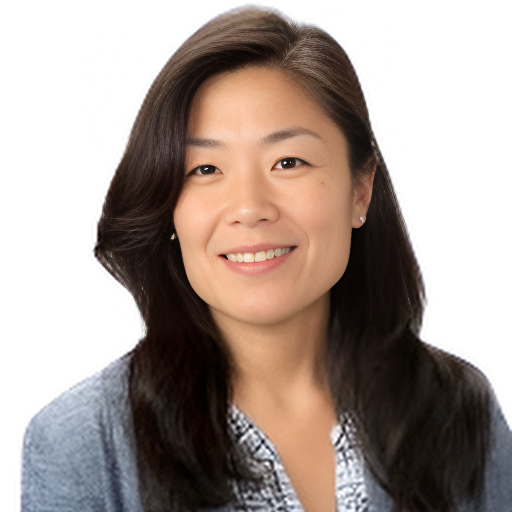


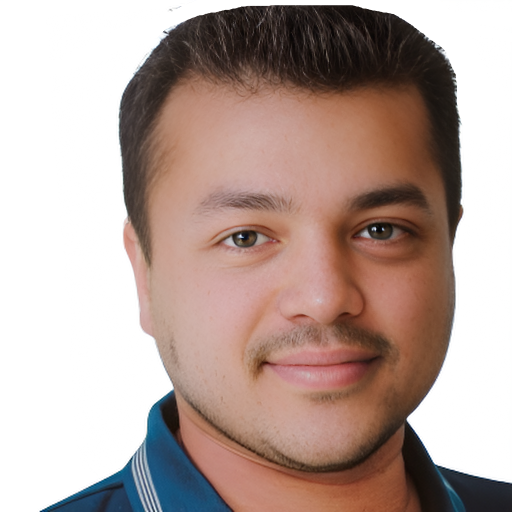


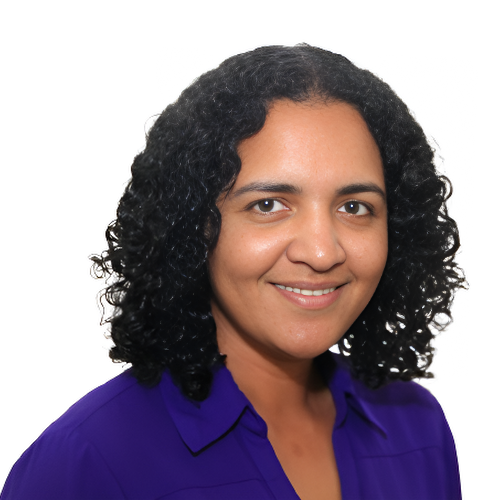



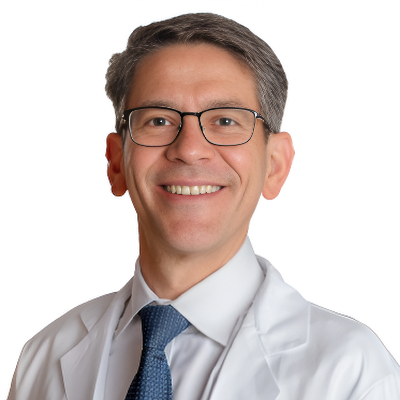

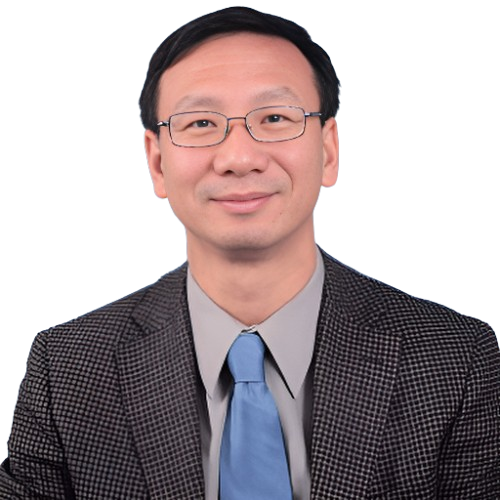
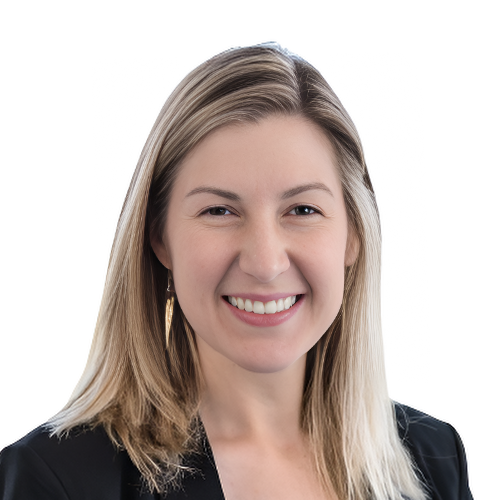








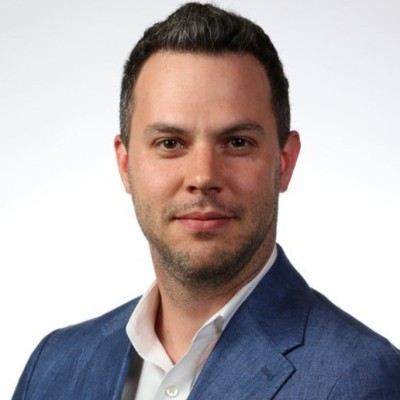






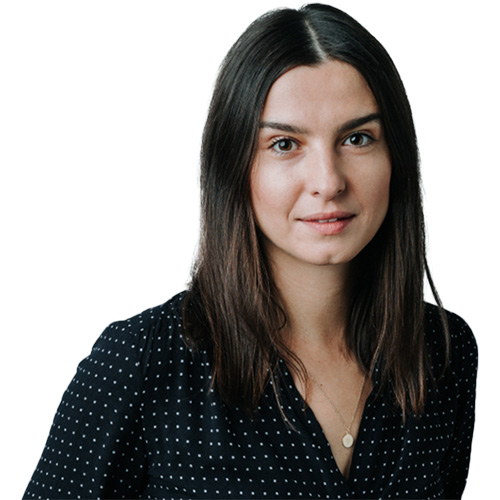


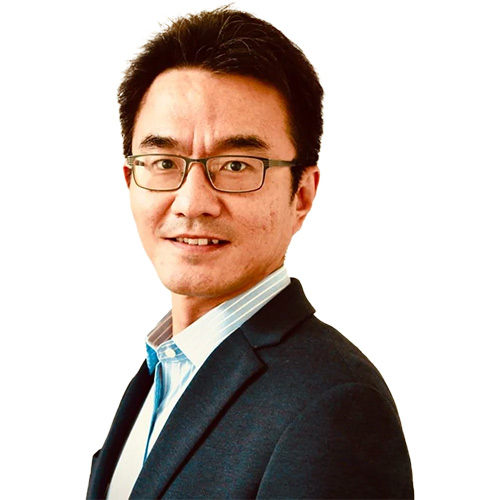
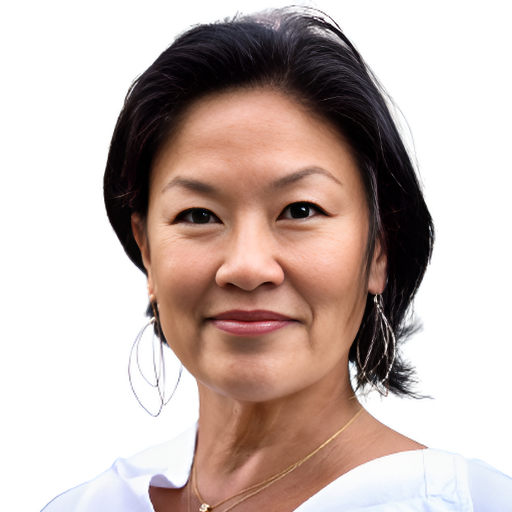
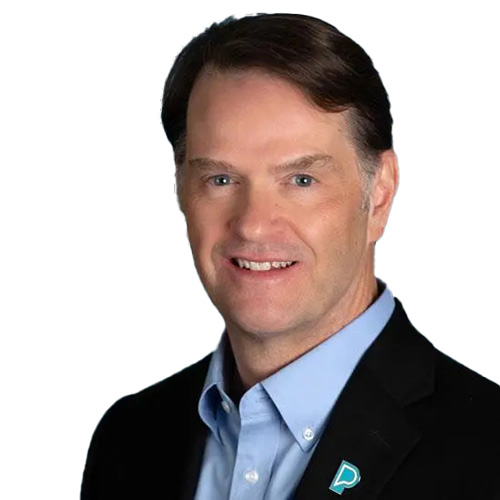






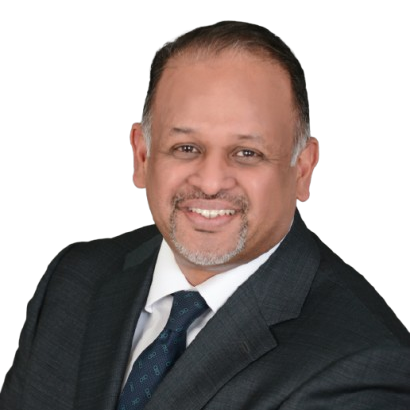


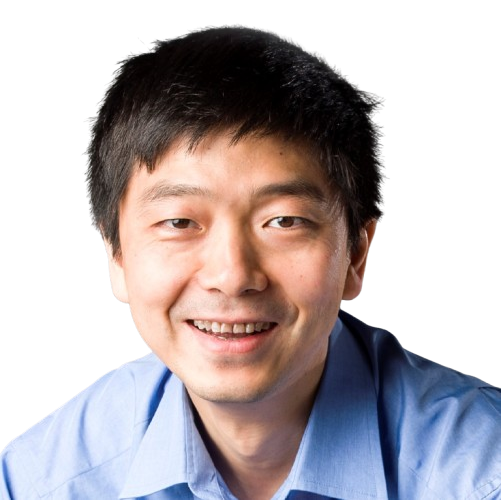

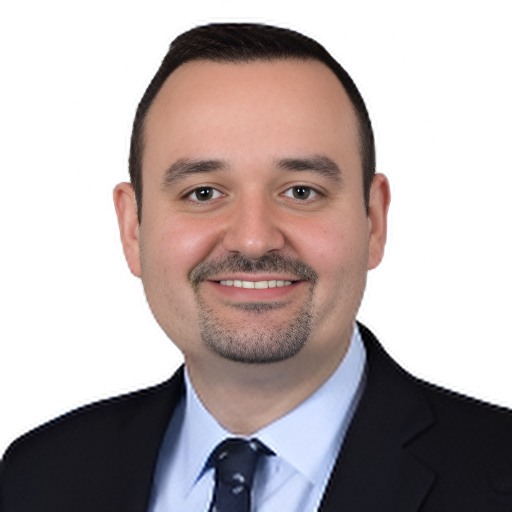
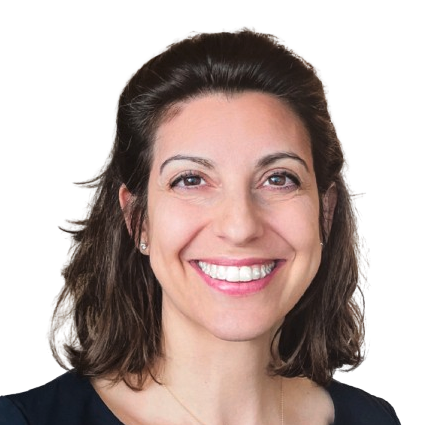


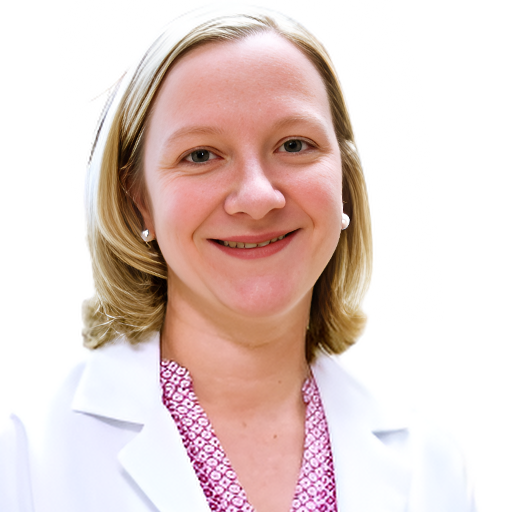
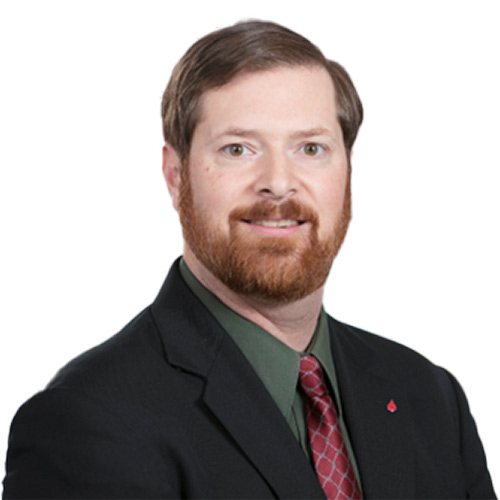



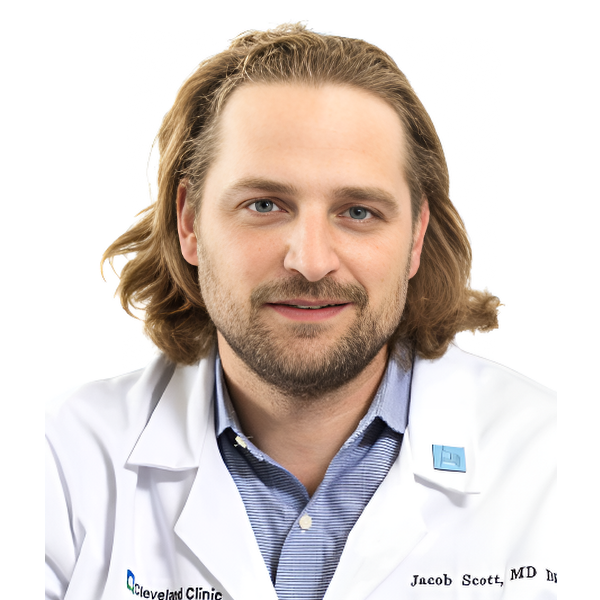

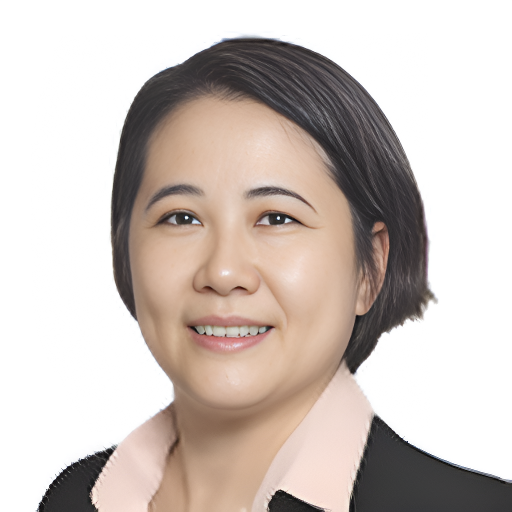



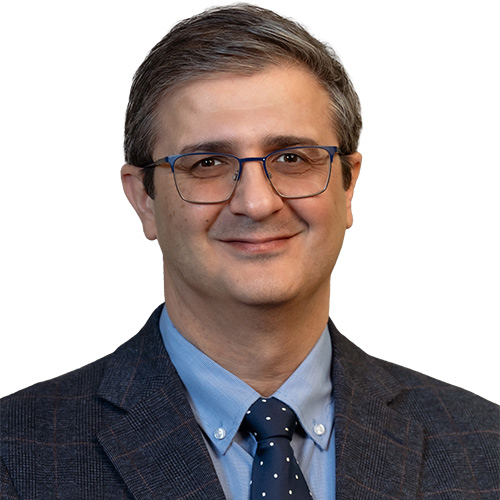
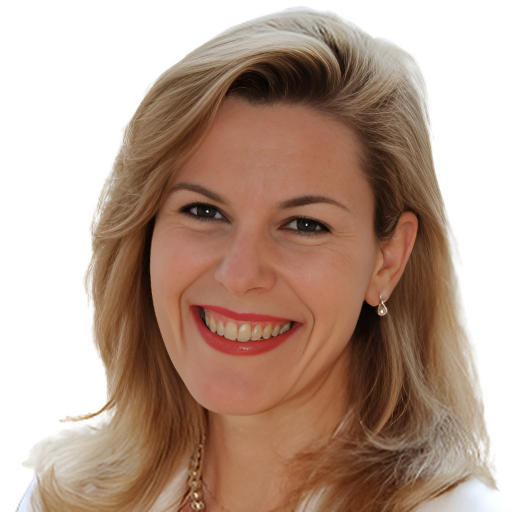
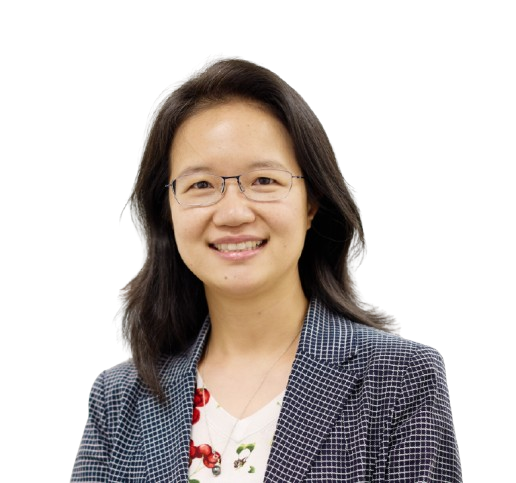




SPONSOR
Interested in sponsoring the event? Email Nigel Russell by using the link below!